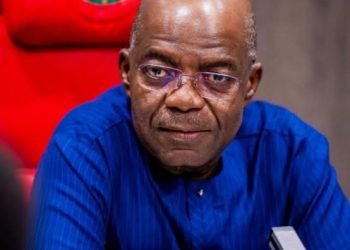
Nigeria’s Senate has approved the appointment of Rabiu Umar as the substantive head of the Nigerian Midstream and Downstream Petroleum Regulatory Authority after he appeared before lawmakers for screening on May 5, 2026.
According to a statement issued by his media office on Thursday, senators applauded Umar’s competence, experience and long-term plans for the petroleum industry during the confirmation exercise. He assured the National Assembly that his administration would prioritise stronger energy security, improved fuel distribution and the removal of obstacles affecting product supply across the country.
Bola Tinubu submitted Umar’s nomination on April 29, 2026, as part of ongoing efforts to strengthen the implementation of reforms introduced under the Petroleum Industry Act and improve the effectiveness of regulatory institutions.
While addressing lawmakers, Umar unveiled a strategy focused on improving supply chain stability, enhancing regulatory operations, attracting investment and ensuring easy access to petroleum products nationwide. He warned that international developments, especially tensions surrounding key maritime routes like the Strait of Hormuz, would continue to affect global fuel pricing.
He explained that although external crises may influence petroleum costs internationally, Nigeria must develop a stronger and more resilient energy framework capable of protecting domestic supply and sustaining economic activities regardless of global disruptions.
Umar possesses more than two decades of professional experience spanning petroleum operations, logistics and manufacturing. During his career, he occupied top management positions at Oando Plc, supervised reforms at Ashaka Cement Plc and later served as Group Chief Commercial Officer at Dangote Group before exiting the organisation eight months ago.
Speaking on his immediate plans, Umar said attention would be placed on improving the functionality of Nigeria’s 22 fuel depots, maintaining sufficient petroleum reserves and partnering with relevant institutions to guarantee uninterrupted product supply nationwide.
He noted that true energy security goes beyond keeping products in storage facilities, stressing that citizens must be able to obtain fuel conveniently whenever the need arises. He promised to build a dependable national supply network capable of supporting transportation, businesses and household consumption without interruptions.
Prior to his confirmation, Umar’s appointment enjoyed support from several industry associations. The Independent Petroleum Marketers Association of Nigeria and the Petroleum Retail Outlets Owners Association of Nigeria both endorsed his nomination, expressing optimism about his ability to resolve key industry concerns.
Members of the Major Energy Marketers Association of Nigeria also described the development as encouraging for market stability, professionalism and the continuation of reforms within the downstream petroleum sector.
Umar additionally pledged to reposition the regulatory authority into a more responsive institution capable of encouraging investment, strengthening investor confidence and improving operational efficiency by reducing bureaucratic delays. Observers within the industry said his presentation before the Senate demonstrated a solid understanding of how effective regulation supports energy security and market growth as Nigeria continues implementing reforms under the Petroleum Industry Act.