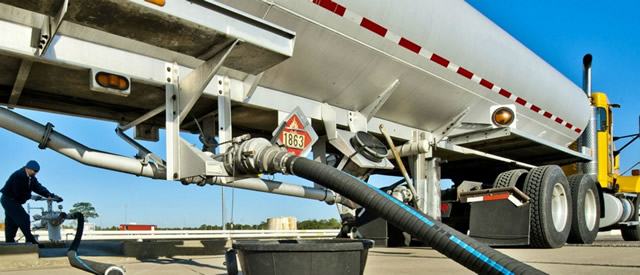
The National Association of Aircraft Pilots and Engineers (NAAPE) has raised strong concerns over the continuing scarcity of aviation fuel, warning that the situation is now endangering flight safety, disrupting airline services, and placing heavy pressure on aviation workers nationwide.
In a statement released on Sunday, the union’s President, Bunmi Gindeh, said the ongoing shortage of Jet A1 fuel has become a serious national issue that demands immediate attention from both aviation authorities and petroleum regulators.
He explained that the irregular supply of aviation fuel has already caused widespread operational difficulties for airlines. According to him, carriers are experiencing frequent flight delays, changes in planned routes, and longer working hours for crew members, all of which could weaken safety standards in the sector.
This challenge is unfolding at a time when local airlines are already struggling with high operational expenses, rising fuel costs, and other financial pressures that continue to affect the stability of Nigeria’s aviation industry.
Gindeh stressed the need for urgent action, stating that all relevant agencies, including the Federal Government, the Nigerian Civil Aviation Authority and the Nigerian Midstream and Downstream Petroleum Regulatory Authority, alongside fuel suppliers and industry stakeholders, must prioritise resolving the Jet A1 supply crisis.
He warned that repeated disruptions to flight operations are increasing fatigue among pilots and technical staff, a situation he described as dangerous for safe aviation practices.
According to him, “The continuous interruptions to flight schedules caused by inadequate Jet A1 availability have led to extended working hours for flight crews beyond safe limits. Fatigue reduces mental alertness, slows decision-making, and severely affects situational awareness, which is critical in aviation.”
Globally, fatigue management is recognised as a major safety requirement in aviation, with strict international rules designed to limit crew working hours and reduce the possibility of human error during flights.
The association further noted that the financial strain of the fuel crisis is deepening difficulties for airlines already battling to stay afloat in a highly expensive operating environment.
Gindeh explained that aircraft that remain grounded or delayed cannot generate income, yet airlines continue to incur fixed costs such as maintenance, staff salaries, and airport charges. He added that this situation often leads to delayed wages and reduced welfare conditions for aviation employees, increasing stress levels within the workforce.
He cautioned that if the shortage continues unchecked, some airlines may be forced to scale down operations, cancel routes, or completely shut down, which would result in job losses and reduced connectivity across the country.
He stated, “If immediate solutions are not implemented, we may witness more route reductions, suspension of services by certain operators, and a significant decline in employment opportunities within the aviation industry.”
Gindeh also referenced recent operational adjustments by domestic carriers, noting that airlines such as Rano Air have already begun reducing routes as an early sign of the growing strain on the sector.
NAAPE concluded by urging swift and coordinated intervention to prevent further deterioration of Nigeria’s aviation industry, stressing that sustained fuel shortages could have long-term consequences for safety, employment, and economic activity linked to air transport.