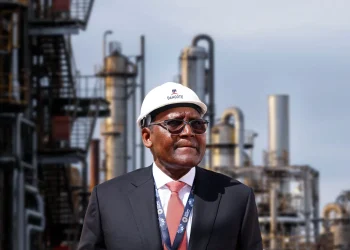



Dangote Petroleum Refinery & Petrochemicals has lowered the ex-gantry cost of petrol to N1,200 per litre, reversing a prior increase after a notable fall in global crude oil prices driven by shifting geopolitical tensions.
The revised figure reflects a N75 decrease from the earlier rate of about N1,275 per litre. The refinery had previously raised its prices in line with rising international crude benchmarks and concerns about possible supply disruptions. A senior representative of the facility explained that the earlier adjustment was tied to global market conditions, especially instability in the Middle East, which had pushed oil prices higher.
The official noted that external influences, such as geopolitical conflicts, strongly affect the pricing of refined petroleum products. At that time, petrol prices rose by N75 per litre about a five per cent increase while diesel climbed by N200 to N1,950 per litre. These changes were made to reflect international market realities.
Shortly afterward, however, the refinery adjusted its stance and reversed the increase. The same official confirmed that the decision was influenced by a significant drop in crude oil prices, following reduced tensions after Donald Trump announced a conditional temporary ceasefire involving Iran. This development eased fears of disruptions to global oil supply chains.
As tensions eased, international crude benchmarks recorded steep declines. Brent crude dropped by 13.28 per cent to $94.76 per barrel, while West Texas Intermediate fell by 14.72 per cent to $96.31 per barrel. The improvement in geopolitical conditions, particularly regarding access to critical shipping routes like the Strait of Hormuz, contributed to the fall in prices.
In an official statement, the refinery clarified that there had been no new upward adjustment in petrol prices, countering circulating speculation. Instead, it stated that pricing had been revised downward to align with current global oil trends. The company confirmed that its gantry price remains at N1,200 per litre, while the coastal price stands at N1,153 per litre.
The refinery further reaffirmed its dedication to ensuring steady and reliable fuel supply to both domestic and regional markets. It stressed that its pricing structure remains unchanged and that customers are not facing any new increases.
This situation underscores the ongoing instability within Nigeria’s downstream petroleum sector, where fuel pricing is increasingly shaped by global oil market shifts, exchange rate pressures, and logistics challenges. Since commencing operations in September 2024, the Dangote refinery has grown into a major force in the local fuel market, significantly influencing supply and pricing dynamics nationwide.
The refinery’s quick response to changes in the international oil market reflects how Nigeria’s fuel pricing system is becoming more closely linked with global energy trends, particularly following reforms in the downstream sector. For consumers, this evolving system highlights a more responsive pricing environment where domestic fuel costs are directly affected by global economic and geopolitical developments.