

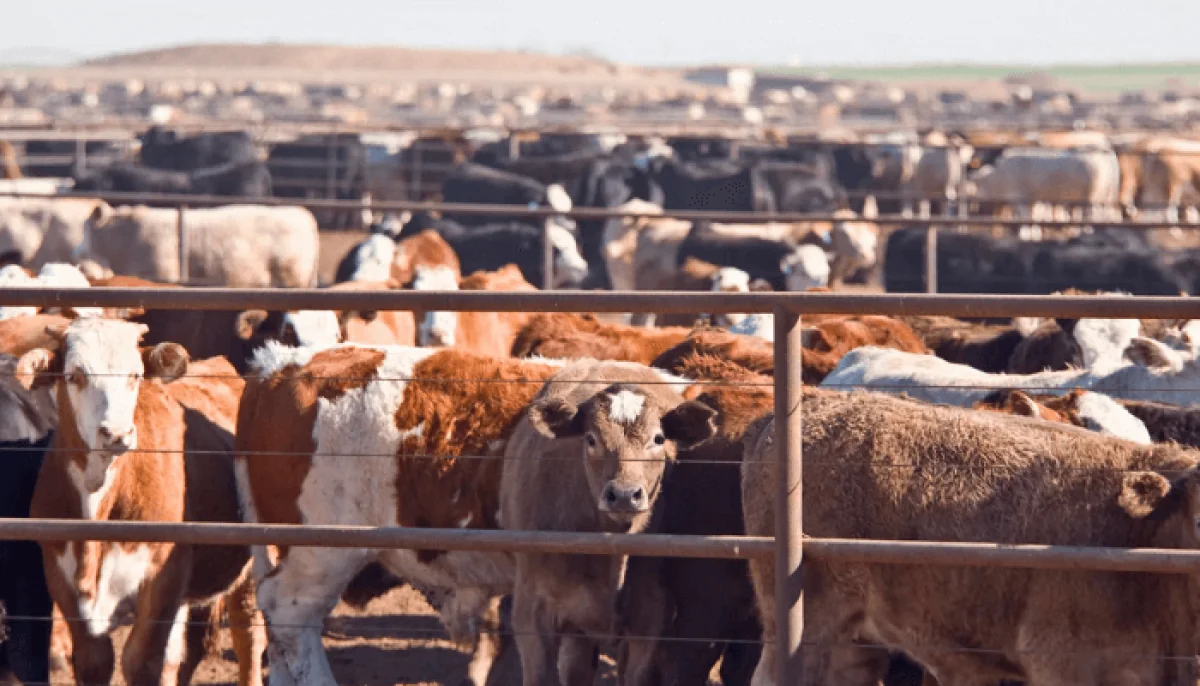
Stakeholders in Nigeria’s livestock industry are calling for tighter oversight of large-scale livestock farming, emphasizing the need to safeguard public health, the environment, and the livelihoods of smallholder farmers. Their concerns come as the Federal Government pursues new partnerships intended to expand food production and create employment opportunities through industrial livestock development.
Speaking on Friday, the Co-founder of Sanuvia, Ainde Daniel, said the push for stronger regulations stems from an urgent need to prevent negative consequences that may arise from rapid growth in the livestock sector. He explained that the establishment of the Ministry of Livestock Development and plans by a major global meat processing company to begin operations in Nigeria highlight the fast-paced expansion currently underway.
According to Daniel, while increased investment in the livestock industry could lead to economic benefits such as job creation and improved livelihoods, the expansion also presents risks that must be addressed proactively. These risks, he noted, include potential public health challenges associated with zoonotic diseases, the rise of antimicrobial resistance, and environmental damage resulting from intensive farming practices.
“We acknowledge that the sector is growing. The creation of the Ministry of Livestock Development and the interest of international companies like JBS reflect this growth. These developments could bring employment and better economic outcomes, but we are equally concerned about the dangers that may follow,” he said.
Daniel questioned what the growth of industrial livestock farming might mean for smallholder farmers who currently dominate Nigeria’s livestock market. He cautioned that without proper regulatory frameworks, small-scale farmers could be pushed out of the market or face unfair competition from larger commercial operations.
He noted that Sanuvia aims to facilitate cooperation and coordinated action among relevant government agencies, private operators, civil society, and farmer groups to ensure that expansion within the livestock sector does not compromise safety or equity. He stressed that regulatory bodies should not work in isolation but instead collaborate to achieve shared goals.
“Our primary objective is to encourage synergy among all stakeholders so that public health, environmental protection, animal welfare, and the economic viability of smallholder farmers are adequately protected. We do not want a situation where ministries and agencies operate independently without alignment,” he said.
Daniel emphasized that the stakeholder dialogue convened by Sanuvia is intended to produce concrete outcomes rather than end as another round of discussions. He stated that the organization is committed to following up on the resolutions reached to ensure real progress is made.
“We are optimistic that this engagement will lead to practical steps. We have high-level representation from relevant agencies, and we intend to pursue implementation,” he said.
He identified the Ministry of Livestock Development, the National Agency for Food and Drug Administration and Control (NAFDAC), the Standards Organisation of Nigeria (SON), and various smallholder farmer associations among the participants in the ongoing dialogue. Daniel noted that Sanuvia intends to distinguish itself as a solutions-driven initiative, focused on addressing the challenges and implications of industrial livestock expansion in a balanced and responsible manner.