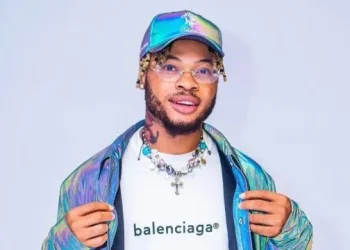


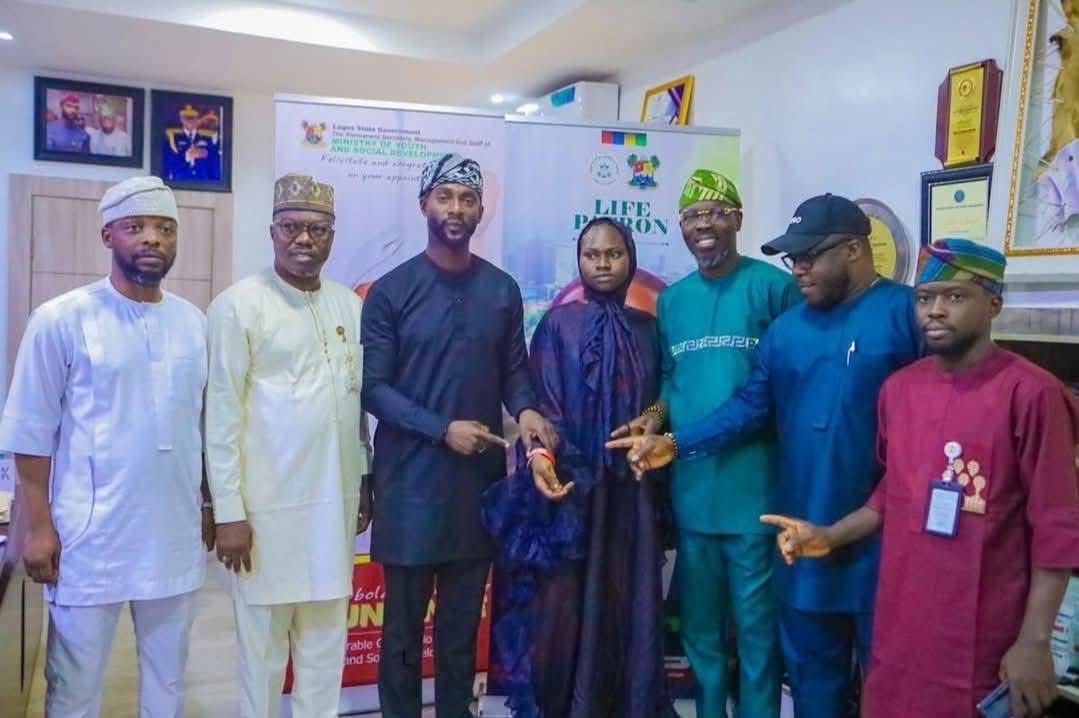
The recent announcement by the Lagos State Government appointing Ayomiposi Oluwadahunsi, popularly known as “Mandy Kiss,” as the new Brand Ambassador for its Kick-Against-Drug-and-Substance-Abuse Campaign has sparked widespread controversy across social media and among concerned Nigerians.
Mandy Kiss, who is often in the news for her bold, unconventional lifestyle, rose to infamy after declaring her intention to set a bizarre Guinness World Record by engaging in sexual encounters with 100 men within 24 hours. The international record-keeping body swiftly distanced itself from her attempt, stating that such records are not recognized nor monitored. Despite the public backlash she received at the time, she has continued to build a following online, particularly among Nigerian youth.
For many Nigerians, the decision of the Lagos State Government to appoint Mandy Kiss as the face of an anti-drug and substance abuse campaign appears contradictory and raises questions about the values being promoted to the public. Critics argue that appointing an individual who has courted controversy with explicit statements and provocative behavior undermines the seriousness of the campaign.
One concerned citizen expressed frustration, asking: “Why not look for a more well-behaved person to make a brand ambassador? Someone who can be a role model to the young ones? Are we now trying to reward this kind of behavior?”
Observers worry that young people, who are the primary targets of anti-drug campaigns, may not receive the right message if figures who have previously projected controversial lifestyles are elevated as representatives of government-backed initiatives. To them, the appointment sends a dangerous signal that notoriety and controversy, rather than discipline and responsibility, are the routes to recognition and influence.
On the other hand, supporters of the government’s choice defend the decision, suggesting that Mandy Kiss’s large online following can be used as a tool for advocacy. They argue that her reach on social media makes her a strategic choice for spreading awareness, particularly among young Nigerians who are already familiar with her persona. Some also highlight the potential for personal transformation, noting that she could use the platform to rebrand herself and inspire others by sharing a message of change.
Still, the backlash remains strong. Critics maintain that while it is important to connect with the youth, government institutions should prioritize individuals whose conduct and track records exemplify the values they seek to promote. For them, the appointment feels like another example of misplaced priorities in a country already battling corruption, unemployment, and societal decay.
The debate reflects a broader issue in Nigerian society—whether fame, even when built on controversy, is now a more powerful currency than integrity and character. Many Nigerians are left wondering whether this decision was carefully considered or simply a publicity stunt.
As the campaign unfolds, eyes will be on Mandy Kiss to see whether she can rise above her past controversies and truly embody the message of drug-free living. For now, however, the decision remains one of the most divisive government appointments in recent memory.