

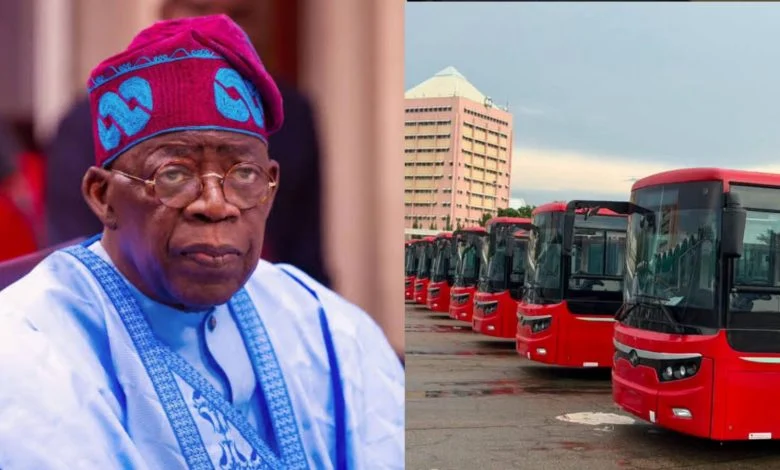
President Bola Ahmed Tinubu has announced measures aimed at reducing transportation costs across Nigeria, with state governors expected to begin implementing initiatives that could bring down transport fares from October 1, 2026.
Tinubu said the move is part of efforts by the Federal Government and state governments to ease the economic pressure Nigerians have experienced following the removal of the petrol subsidy.
According to the report, the President said governors had agreed to take immediate steps to reduce transportation costs in their respective states. The measures are expected to include greater use of Compressed Natural Gas (CNG) as a cheaper alternative to petrol for transportation.
The initiative comes amid an ongoing national debate over the impact of fuel subsidy removal on Nigerians. Rising transportation costs have contributed to increased household expenses and have also affected the prices of goods and services.
The Federal Government has continued to promote CNG as part of its strategy to reduce dependence on petrol and provide cheaper transportation options.
Tinubu’s administration has also been expanding CNG infrastructure, including plans for additional CNG stations, as the government seeks to increase access to the alternative fuel.
The President’s announcement comes at a time when opposition politicians, particularly former Vice President Atiku Abubakar, have criticised the government’s handling of the subsidy removal and called for greater relief for Nigerians.
Atiku has argued that the government should have introduced stronger measures to cushion the impact of subsidy removal on households and businesses.
The Presidency, however, has defended the policy, maintaining that subsidy removal was necessary to free government resources for development and other public priorities.
The transportation initiative is therefore expected to become an important part of the government’s response to concerns over the rising cost of living.
For commuters, the proposed reduction in fares could provide relief if the measures are successfully implemented across the states.
The Federal Government and state governments will now face the challenge of ensuring that the promised reduction translates into actual lower fares for passengers rather than remaining a policy announcement.
The development is also likely to feature prominently in political discussions ahead of the 2027 general elections, as economic hardship, transportation costs and fuel prices remain major concerns for voters.