

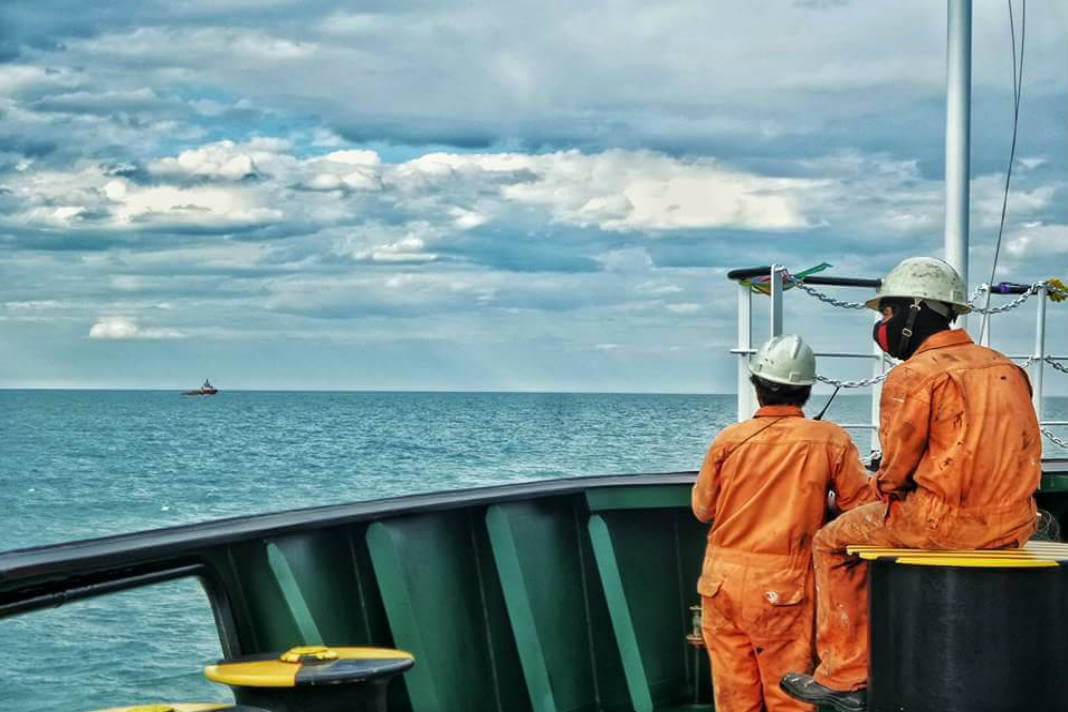
Nigerian seafarers have expressed deep concern over the poor implementation of the Maritime Labour Convention (MLC) 2006, saying it has worsened their welfare instead of improving it. They argue that although the Federal Government ratified the convention in 2013 with the aim of protecting seafarers’ rights, its execution has failed to reflect Nigeria’s peculiar circumstances, leaving many maritime workers vulnerable.
In an interview with The PUNCH on Sunday, Task Force Director of the Merchant Seafarers Association of Nigeria, Williams Ogunshakin, criticised the government for adopting international standards without tailoring them to local realities. According to him, Nigerian seafarers are being treated under the same conditions as their foreign counterparts, despite the significant differences in their working environment.
The MLC 2006,sometimes mistakenly referred to as the “Malaysia Labour Convention” because it was adopted in Kuala Lumpur,is one of the International Labour Organisation’s most significant treaties. It is regarded as the “fourth pillar” of global maritime regulation, alongside SOLAS (safety), MARPOL (pollution), and STCW (training and certification). The convention sets minimum standards for working and living conditions on board ships, guaranteeing rights such as fair wages, safe work hours, medical care, social protection, and repatriation.
Nigeria ratified the convention in 2013 after years of consultation among the Ministry of Labour, the Nigerian Maritime Administration and Safety Agency (NIMASA), and other stakeholders. Ratification was expected to enforce international standards across Nigerian waters and ships flying the country’s flag, ensuring improved welfare for local seafarers.
However, Ogunshakin explained that the reality has been different. “For welfare, we are not being taken care of. When Nigeria ratified the MLC, they failed to consider our peculiar situation. Nigerian seafarers are now treated like international offshore workers, who are expected to spend only six months offshore. But in our case, offshore periods can stretch up to a year,” he said.
He lamented that Nigerian seafarers only enjoy salaries, insurance, and medical care while on board vessels. Once they leave, all benefits stop, with no safety net or job security. “You only earn during the three months you are onboard. Once you disembark, you lose pay, insurance, and healthcare, without knowing when the next job will come,” he explained. Ogunshakin advised the government to establish a reliable database of maritime employees to track those out of work and extend support where necessary.
Echoing the concerns, former NIMASA Director-General, Temisan Omatseye, highlighted another dimension of the problem,unfair practices by international oil companies (IOCs). He noted that although Nigeria has ratified and domesticated the MLC, IOCs continue to undercut local operators on vessel rates.
“In global oil and gas operations, vessel rates are benchmarked against the US Gulf of Mexico. For instance, a supply vessel that goes for $16,000 daily there should attract a similar rate here. But in Nigeria, IOCs often insist on paying only $10,000 while demanding the same standards of service,” Omatseye said.
He explained that shipowners, under pressure from bank debts and operating costs, are forced to compromise, often at the expense of crew welfare. This situation, according to him, undermines the purpose of the MLC and worsens conditions for Nigerian seafarers.
Both stakeholders urged the government to strengthen oversight and enforce fair labour and wage standards to ensure Nigerian seafarers truly benefit from the international protections promised under the convention.


Comments 1