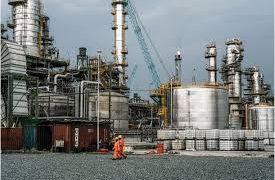


Dangote Petroleum Refinery and Petrochemicals Limited has confirmed that it will restart gantry-based self-collection of petroleum products at its facility from Tuesday, September 23, 2025. The announcement, conveyed through an internal communication from the refinery’s Group Commercial Operations Department and obtained by Saturday PUNCH, marks a reversal of an earlier directive suspending the process.
Last week, the refinery had halted self-collection, directing marketers to rely solely on its Free Delivery Scheme, a model designed to ensure direct product shipments to registered retail outlets across the country. The temporary suspension was intended to strengthen compliance with the new delivery structure and curb dealings with unregistered marketers.
In the latest update, Dangote explained that gantry access is being restored alongside the continuation of its free delivery option. The company encouraged marketers to register their outlets for the scheme, highlighting that delivery would remain at no additional cost. It also apologised to stakeholders for the inconvenience caused by the brief suspension.
“Please note that we will be resuming the self-collection gantry sales on the 23rd of September, 2025,” the company stated. “Meanwhile, our free delivery scheme remains active, and we encourage you to register your stations for direct supply at no charge. We sincerely apologise for any disruption this may have caused.”
The decision comes amid mounting tension between the refinery and key industry players, including the Nigeria Union of Petroleum and Natural Gas Workers (NUPENG) and the Depot and Petroleum Products Marketers Association of Nigeria (DAPPMAN). NUPENG has accused the refinery of resisting unionisation of its truck drivers, despite a government-mediated agreement, while DAPPMAN criticised the free delivery initiative, claiming it forces marketers to depend on Dangote’s transport system under commercial terms.
Dangote, however, has defended the policy, insisting it was introduced to stabilise petroleum supply, reduce costs, and curb product diversion. According to the refinery, some marketers were lobbying for indirect subsidies and resisting reforms meant to sanitise the downstream sector.
The earlier suspension of gantry access triggered anxiety among independent marketers and filling station operators, many of whom had yet to enrol in the delivery scheme. Concerns arose over potential shortages and disruptions in supply, sparking fears of pump price increases. The resumption of gantry operations is therefore expected to ease those concerns and restore confidence within the market.
Industry analysts see the refinery’s decision to run both systems,self-collection and free delivery,simultaneously as a strategic compromise. According to Petroleumprice.ng CEO, Jeremiah Olatide, the dual model represents a significant step toward modernising petroleum distribution in Nigeria. “Dangote’s approach is designed to drive efficiency and lower pump prices by cutting out middlemen whose activities often inflate costs,” he said.
Olatide added that the reforms challenge depot owners and marketers to innovate and adopt best practices in service delivery, a shift that could transform the downstream sector.
By reinstating gantry access while sustaining free delivery, Dangote Refinery appears to be balancing flexibility with reform. Industry observers believe this approach could reduce tensions with stakeholders, enhance transparency in the supply chain, and ultimately ensure stable product availability across the country.