

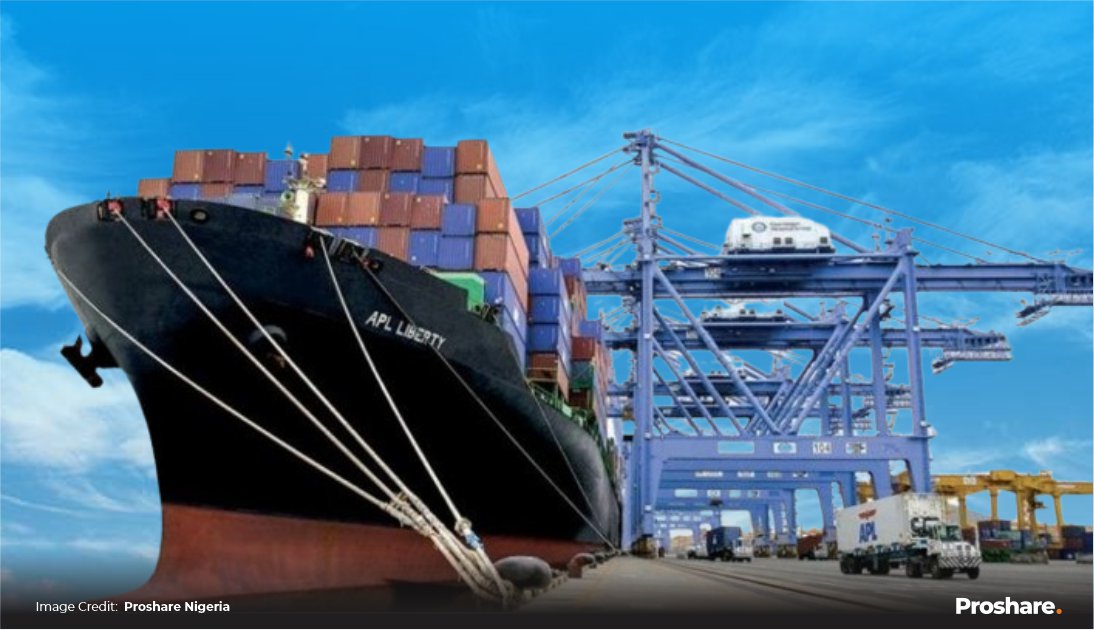
Nigeria’s manufacturing sector has plunged further into deficit, as imports of manufactured goods outpaced exports by over ₦14 trillion in the first half of 2025. Data from the National Bureau of Statistics (NBS) underscore the magnitude of the country’s industrial challenges and amplify calls for urgent government intervention to reverse the trend.
According to the NBS, manufactured goods imports from January to June totalled ₦15.39 trillion, while exports for the same period amounted to just ₦1.09 trillion. This created a six-month deficit of ₦14.3 trillion, highlighting Nigeria’s heavy reliance on foreign products despite modest gains in exports during the second quarter. Exports rose to ₦803.81 billion in Q2, a 173% increase from Q1 and 67% year-on-year, yet industry experts warn that this growth is insufficient to offset the influx of imports.
The Director-General of the Manufacturers Association of Nigeria, Segun Ajayi-Kadir, described the figures as a troubling confirmation of long-standing concerns. “This deficit confirms that domestic manufacturing is still struggling, and more must be done to bridge the widening gap,” he said. Similarly, Gabriel Idahosa, President of the Lagos Chamber of Commerce and Industry, noted that the deficit reflects a depletion of Nigeria’s production capacity. “The ₦14 trillion shortfall in H1 2025 is largely due to an imbalance in raw materials. Manufacturers are increasingly dependent on imports because local supplies remain insufficient,” he explained.
Industry stakeholders warn that the widening deficit exerts pressure on the foreign exchange market, drives naira depreciation, and undermines the sector’s role as a key economic driver. Chronic structural weaknesses low competitiveness, lack of raw materials, high energy costs, poor export infrastructure, and inconsistent policies continue to impede growth. Ajayi-Kadir highlighted that government procurement patterns also contribute to the deficit. “Heavy purchases for government contracts and infrastructure projects favour imports because domestic production is still low,” he noted, adding that poor port infrastructure, regulatory bottlenecks, and weak export intelligence further weaken Nigerian products abroad.
Energy costs remain one of the biggest burdens for manufacturers, sometimes accounting for up to 40% of operating expenses. Unreliable power supply has forced many factories to rely on diesel generators, significantly raising production costs. Idahosa suggested that reforms allowing states and private entities to generate and distribute electricity offer a solution, citing industrial estates in Lagos, Imo, Abia, and Edo States that have adopted independent power supply arrangements. He urged the federal government to expedite licensing for private producers and resolve disputes that often delay projects.
Policy initiatives such as the Nigeria First programme, which requires government ministries, departments, and agencies to prioritise local products, could also help reduce the deficit. Ajayi-Kadir argued that redirecting government spending toward domestic industries, alongside higher tariffs on imports where local alternatives exist, would push demand toward Nigerian goods.
Despite modest export growth in Q2, Nigerian manufacturers still face significant hurdles abroad, including high logistics costs, port delays, restrictive regulations, inconsistent product standards, and limited market intelligence. Ajayi-Kadir stressed that both government support and private-sector innovation are essential. “Policy alone will not drive change. Manufacturers must leverage available resources to generate solutions, such as producing their own electricity,” he concluded.