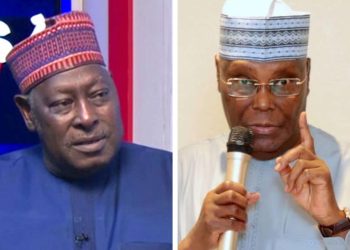
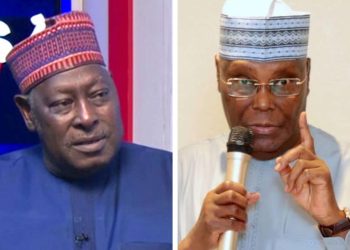
President Bola Tinubu has approved the appointment of several prominent members of the Peoples Democratic Party (PDP), including former Ekiti State Governor Ayodele Fayose, into the boards and management of key federal government agencies and commissions. The appointments, which take immediate effect, have generated fresh political reactions across party lines.
Among the appointments announced by the Presidency, Fayose was named Chairman of the Board of the Rural Electrification Agency (REA). He will serve alongside other board members, including non-executive directors and the agency’s Director-General, Abba Abubakar Aliyu, who remains the chief executive of the organisation.
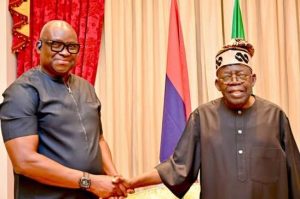
President Tinubu appoints former Ekiti Governor Ayo Fayose as Chairman of the Rural Electrification Agency in a fresh round of 26 federal appointments.
According to a statement issued by the Presidency, the appointments cover 26 individuals who will serve in the boards and leadership of 10 federal government agencies and commissions. The government said the exercise is aimed at strengthening governance, improving institutional performance and supporting the effective delivery of public services.
The inclusion of Fayose and other figures associated with the PDP has attracted significant political attention, given the former governor’s longstanding membership of the opposition party and his previous criticisms of the All Progressives Congress (APC)-led administration. Political observers believe the appointments could signal a broader effort by the Federal Government to work with experienced politicians across party lines.
Analysts say appointments involving opposition politicians are not unusual in Nigeria’s political landscape, where successive administrations have occasionally selected individuals from different political parties for public service roles. They argue that such decisions are often presented as efforts to promote national inclusion and utilise experienced public officials regardless of party affiliation.
However, the development has also generated debate among political stakeholders. While some view the appointments as recognition of competence and experience, others believe they could influence political alignments as preparations for the 2027 general elections continue.
The appointments come at a time when political parties are intensifying consultations, coalition discussions and internal restructuring ahead of the next election cycle. Observers say the inclusion of well-known opposition figures in federal appointments may shape political conversations in the months ahead.
The Presidency maintained that the appointments were made in line with its commitment to strengthening federal institutions through capable leadership. It expressed confidence that the newly appointed board chairmen and members would contribute to improved service delivery and institutional development across their respective agencies.
Political analysts believe the appointments are likely to attract continued public interest, particularly because some of the appointees remain influential figures within their respective political parties. They noted that reactions from party leaders and supporters could further shape public perception of the appointments.
As the 2027 general elections draw closer, developments involving major political figures are expected to remain under close public scrutiny. Stakeholders have continued to call for appointments based on merit, competence and national interest while urging political actors to focus on policies that promote good governance and sustainable development.
The latest appointments underscore the evolving nature of Nigeria’s political landscape, where collaboration across party lines and strategic political decisions continue to shape governance and national discourse.