

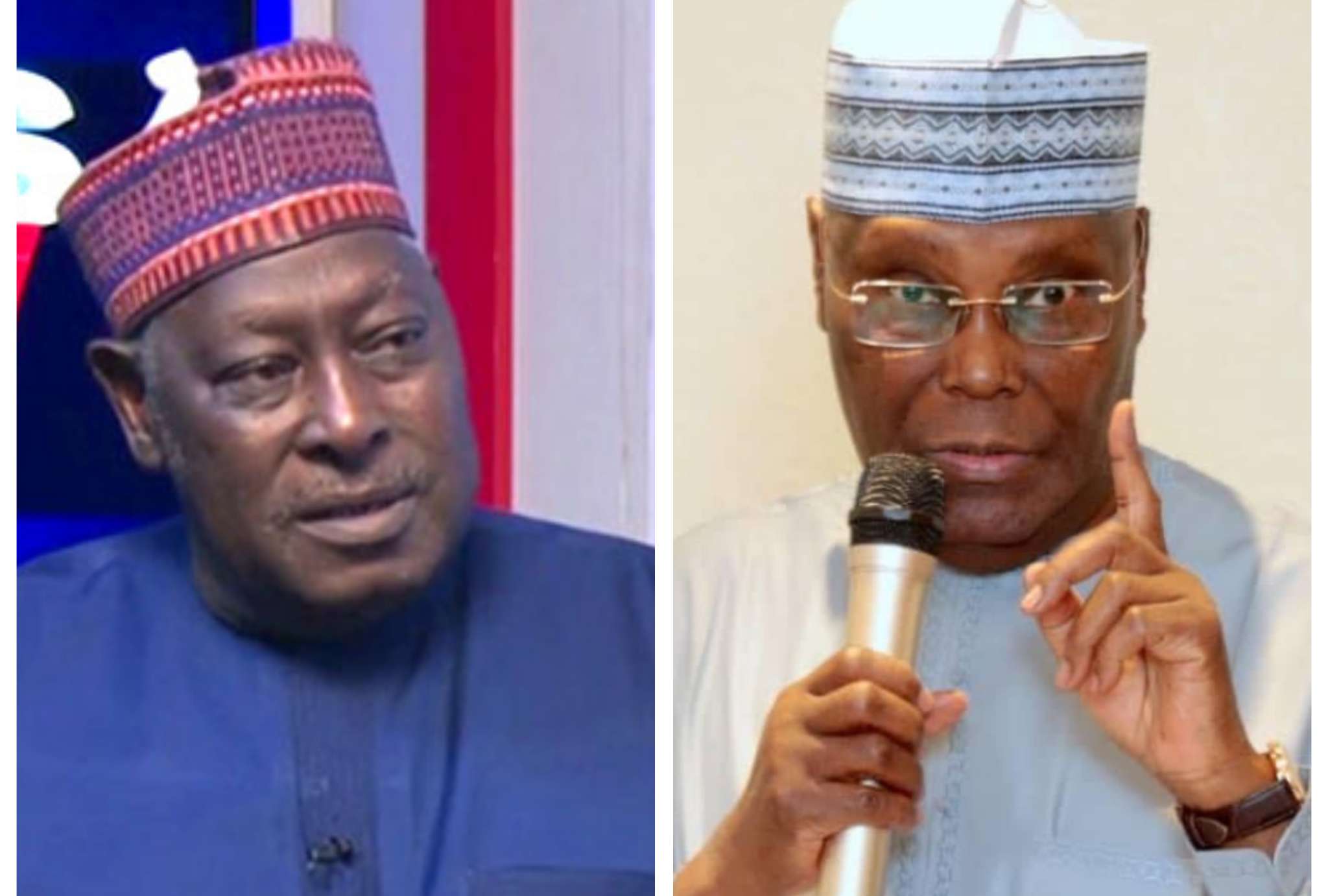
A fresh political disagreement has emerged within the African Democratic Congress (ADC) after former Vice President Atiku Abubakar and former Secretary to the Government of the Federation (SGF), Babachir Lawal, traded accusations over an alleged attempt to replace the party’s governorship candidate in Adamawa State ahead of the 2027 general elections.
The controversy centres on claims that there were moves to substitute the party’s governorship candidate, Ambassador Omar Suleiman, with another aspirant. The allegation has generated tension among party members and supporters in the state, with some accusing influential figures of interfering in the party’s internal affairs.
Babachir Lawal alleged that former Vice President Atiku Abubakar was behind efforts to replace the governorship candidate. According to him, such a move would undermine internal democracy and disregard the outcome of the party’s primary election. He urged party members to resist any attempt to alter the mandate given by delegates during the primaries.
In response, Atiku’s camp denied the allegation, describing it as baseless and unsupported by evidence. His media team maintained that the former vice president had no involvement in any plan to substitute the governorship candidate, insisting that all decisions within the party must follow due process and the provisions of the law.
The disagreement has further exposed divisions within the ADC, which has witnessed internal disputes following its primary elections. Earlier, Babachir Lawal resigned from the party, alleging that the presidential primary was manipulated in favour of Atiku, a claim the former vice president has consistently rejected.
Meanwhile, supporters of the Adamawa governorship candidate staged protests in Yola, calling on the party leadership to uphold the outcome of the primary election. The protesters insisted that Ambassador Omar Suleiman remains the validly nominated candidate and warned against any attempt to replace him before the election.
Political analysts say the latest disagreement highlights the challenges facing opposition parties as they prepare for the 2027 elections. They noted that unresolved internal disputes could weaken party cohesion and affect campaign preparations if not addressed through established party mechanisms.
Observers have also urged political leaders to prioritise dialogue and respect democratic processes in resolving disagreements. They stressed that transparent candidate selection and adherence to party rules are essential for maintaining public confidence and strengthening internal democracy.
As preparations for the 2027 general elections continue, the ADC is expected to intensify efforts to manage internal differences while focusing on its electoral strategy. Political stakeholders believe how the party handles the current controversy could influence its unity and public image ahead of the polls.
The dispute remains one of several political developments shaping the opposition landscape as parties continue consultations, coalition-building and preparations for the next general elections. Both supporters and observers will be watching closely for further statements or decisions from the party leadership regarding the Adamawa governorship ticket.