Nigerian businesses maintained their growth momentum in August 2025, with the NESG–Stanbic IBTC Business Confidence Monitor (BCM) showing the Current Business Index rising to 107.3 points from 105.4 in July. The expansion was supported by increased activity across manufacturing, services, trade, and non-manufacturing sectors. However, gains were offset by persistent cost pressures, as firms struggled with higher input prices, rising rents, unstable electricity supply, limited access to finance, and insecurity, all of which eroded profitability.
Sectoral performance revealed mixed trends. While agriculture contracted, recording 95.6 index points, other key industries posted improvements. Trade recorded the sharpest rebound following July’s decline, while Manufacturing (106.2), Non-manufacturing (116.2), and Services (103.7) all advanced during the month. According to the BCM, “apart from the contraction in agriculture, the sectoral review showed improvements across industries and broader economic activities.”
Despite the overall growth, key sub-indices such as investment, exports, access to credit, and prices weakened compared to July. The cost of doing business rose again, reversing the slight relief observed earlier in the year, while input prices continued to climb.
Looking ahead, optimism among business leaders strengthened. The Future Business Expectation Index increased to 131.5 points in August from 126.1 in July, signaling improved confidence over the next one to three months. The outlook is supported by expectations of stronger demand, improved cash flow, higher production levels, better supply orders, and rising operating profits. The trade sector reflected the highest level of optimism, while agriculture registered the weakest future outlook.
Stanbic IBTC commented that business conditions improved in August as the rebound across most sectors outweighed the contraction in agriculture. Within the agricultural sector, crop production saw the sharpest decline, which the bank attributed to seasonal factors. August represents the lean season ahead of the main harvest in September, suggesting that agricultural output could improve in the coming months as harvest activities peak.
Meanwhile, the manufacturing sector showed resilience after contracting in July. The recovery was largely driven by sub-sectors such as food, beverage and tobacco; textiles, apparel and footwear; wood and wood products; and paper-related industries. The services sector also maintained expansionary momentum for the sixth consecutive month, supported by better FX liquidity, softer price pressures, and relative stability in the domestic currency.
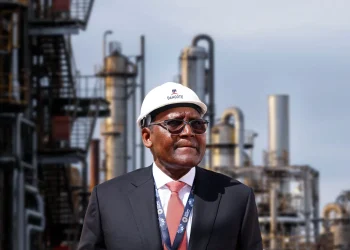
On a broader scale, Stanbic IBTC highlighted structural shifts within the economy, particularly within the industrial sector. Industry contributed 20.9% to GDP in Q1 2025, up from 10.4% in Q4 2024. This sharp improvement aligns with projections that industrial output will play a greater role in driving real GDP growth from 2025, supported by reforms and the increased impact of the Dangote Refinery.
Overall, Stanbic IBTC maintained its projection that the Nigerian economy will expand by 3.5% in 2025, slightly above the 3.4% growth recorded in 2024. This growth outlook is underpinned by easing inflation, better FX liquidity conditions, and ongoing structural reforms, despite lingering cost pressures facing businesses.