

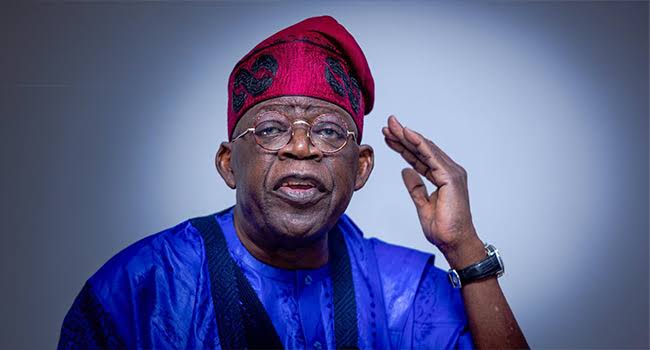
The Presidency has announced that Nigeria is firmly on course to achieve its annual non-oil revenue target, following a remarkable 40.5 percent surge in collections between January and August 2025. According to figures released in a statement by the Special Adviser to the President on Information and Strategy, Bayo Onanuga, non-oil revenues rose to N20.59 trillion during the period, up from N14.6 trillion in the corresponding months of 2024.
The statement, titled “Nigeria’s Non-oil Revenues Power Strongest Fiscal Performance in Recent History,” described the development as a landmark shift in the country’s fiscal foundations. For the first time in decades, oil has ceased to be the dominant source of government income, with non-oil revenue now contributing three out of every four naira collected. Out of the total, N15.69 trillion was generated from non-oil sources alone, while Customs recorded N3.68 trillion in the first half of the year—N390 billion above its set target.
The Presidency attributed the gains to President Bola Tinubu’s ongoing structural reforms, particularly tighter enforcement measures, automation of Customs operations, and digital tax filings. These improvements, it emphasized, reflected systemic and sustainable changes rather than short-term windfalls. While inflation and exchange rate adjustments also played a role, officials insisted that the revenue boost was primarily reform-driven.
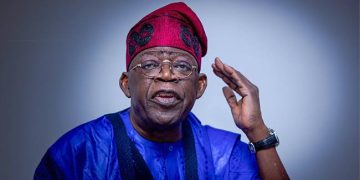
President Tinubu, addressing members of the Buhari Organisation during a courtesy visit at the State House, said the strong revenue performance signaled progress in restoring Nigeria’s fiscal stability. He highlighted that, for the first time in years, the Federal Government had stopped borrowing from local banks. This, he noted, has reduced pressure on the domestic credit market, creating more lending opportunities for the private sector.
The impact of rising non-oil revenues has also cascaded to the sub-national level. In July 2025, monthly allocations to the 36 states and 774 local governments exceeded N2 trillion for the first time, powered by larger disbursements from the Federation Account. The Presidency said this fiscal expansion enables state governments to invest more in infrastructure, agriculture, and social services—an outcome that aligns with Tinubu’s agenda of inclusive and broad-based growth.
“Resources are now being directed closer to the people,” the statement read, stressing that the improved fiscal space provides states with greater capacity to tackle developmental challenges. However, it acknowledged that despite the encouraging trend, revenue levels still fall short of the President’s aspirations for increased investment in education, healthcare, and infrastructure.
The Presidency cautioned that oil-related revenues remain under pressure, weighed down by declining global crude prices and Nigeria’s inability to meet production targets. While this continues to affect the country’s overall revenue mix, it has not derailed the steady rise in non-oil income.
According to the statement, the Budget Office will provide a final validation of year-end fiscal performance. Nonetheless, officials underscored that the trajectory is clear: “Revenues are rising, the base is broadening, and reforms are working. The task ahead is to ensure these numbers translate into real relief for citizens by putting food on the table, creating jobs for young people, and investing in roads, schools, and hospitals.”
The Presidency concluded that Nigeria’s fiscal transformation represents the strongest performance in recent history, a development it says is laying the foundation for long-term economic resilience.