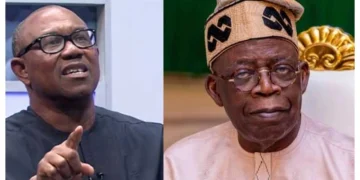


The Charismatic Bishops’ Conference of Nigeria has explained its decision to withdraw support for former Anambra State Governor and 2027 presidential candidate Peter Obi and back President Bola Ahmed Tinubu ahead of the 2027 general election.
The group’s position has added a new dimension to the growing political realignment ahead of the next presidential contest, with religious, political and civil society groups increasingly declaring their preferred candidates.
According to the bishops, their decision was influenced by their assessment of the Tinubu administration and what they described as developments since the president assumed office in May 2023.
The group reportedly indicated that its earlier support for Obi was based on expectations surrounding his political campaign and proposed approach to governance. However, following subsequent developments, the bishops said they had reassessed their position and decided to support Tinubu.
The endorsement comes as President Tinubu seeks another term in office amid an increasingly competitive political environment.
Tinubu’s administration has implemented several major economic reforms, including the removal of petrol subsidy and changes to the foreign exchange system. While the government has maintained that the measures are necessary to strengthen the economy and attract investment, the reforms have also generated criticism over their impact on living costs.
The bishops’ declaration is therefore significant because religious organisations and faith-based groups remain influential in Nigeria’s political landscape, particularly in mobilising voters and shaping public opinion.
Obi, who contested the 2023 presidential election under the Labour Party and is now seeking the presidency on the platform of the Nigeria Democratic Congress (NDC), remains one of the major opposition figures ahead of 2027.
His political support base has continued to campaign around issues including accountability, economic management, youth participation, reduction of government waste and improved public services.
However, the opposition landscape remains fragmented, with several prominent politicians pursuing separate political platforms and presidential ambitions.
Tinubu, meanwhile, has continued to consolidate support within the ruling All Progressives Congress (APC), while political negotiations and alliances continue across the country ahead of the election.
The decision by the Charismatic Bishops’ Conference is expected to generate reactions from supporters of both Tinubu and Obi, particularly because of the bishops’ previous position.
As political parties and aspirants intensify preparations for 2027, endorsements from influential groups are likely to form part of the wider campaign for voter support.
The latest development also underscores the fluid nature of Nigeria’s political alliances ahead of the presidential election, where previously declared positions can change as political calculations, government performance and national interests are reassessed.