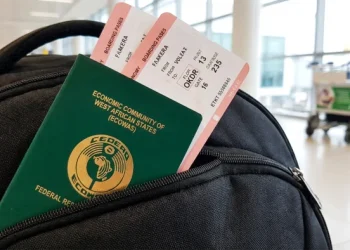



Indications are growing that domestic carriers in Nigeria may suspend flight operations from Thursday, April 30, 2026, over what they describe as extreme and unsustainable aviation fuel costs. The development has triggered renewed concern about possible nationwide travel disruptions.
Industry sources revealed that airline operators, after several rounds of discussions with the Federal Government and petroleum suppliers, are still unable to reach a resolution. As a result, they may have no alternative but to ground aircraft beginning Thursday if the situation remains unchanged.
The possible shutdown follows repeated complaints from operators about the sharp rise in the cost of Jet A1 fuel, which they say has increased by more than 300 percent compared to earlier in the year. This surge has placed heavy pressure on operational expenses and pushed many airlines to the edge of financial strain.
Passengers who depend on domestic air transport for business trips, emergency travel, and personal movement are already expressing worry as uncertainty grows around scheduled flights.
In an attempt to prevent disruption, the Minister of Aviation and Aerospace Development, Festus Keyamo, recently held a high-level meeting in Abuja with airline operators and fuel suppliers. However, the talks reportedly ended without agreement, as neither side was willing to concede on key demands.
Following the discussions, the minister announced a 30 percent cut in aviation-related taxes as a relief measure. While airlines acknowledged the gesture, they insisted that it does not resolve the core issue of escalating fuel prices.
During the meeting, the Vice President of the Airline Operators of Nigeria, Allen Onyema, expressed appreciation for government efforts but demanded accountability from fuel suppliers regarding the sudden price escalation.
He noted that while government support has been significant in recent years, marketers must explain the drastic increase in costs, which he claimed is not in line with global market trends. He also referenced concerns about pricing inconsistencies among suppliers.
Onyema later issued a warning, giving a seven-day ultimatum for urgent action to be taken, stating that airlines may be forced to suspend operations if no solution is reached. He stressed that the industry is being pushed into an unsustainable position where safety and operations are at risk.
According to him, aviation fuel prices, which previously stood around N900 per litre, have now climbed to between N2,700 and N2,900, with some locations selling at as high as N3,500 per litre. He explained that airlines are now spending most of their revenue solely on fuel procurement.
He further emphasized that operators are already struggling to maintain safe operations under the current cost burden, warning that continued instability could cripple the sector.
Despite speculation about unpaid debts, airline representatives insist they have fulfilled obligations to aviation agencies such as the Federal Airports Authority of Nigeria and the Nigerian Airspace Management Agency.
Meanwhile, the Airline Operators of Nigeria have formally appealed for additional government intervention. In a letter dated April 21, signed by its president, Abdulmunaf Sarina, the group called for a six-month suspension of aviation taxes, fees, and related charges.
They also recommended introducing a non-taxable fuel surcharge similar to international aviation practices, urging authorities to ease pressure on carriers facing rising costs. Additionally, they requested credit adjustments from fuel marketers and the formation of a committee to review industry charges in line with global standards.
As the deadline approaches, anxiety continues to build across the aviation sector, with stakeholders warning that flight operations may cease if urgent intervention is not achieved.