

Stakeholders in Nigeria’s freight forwarding and customs clearing industry have jointly demanded a swift and comprehensive reassessment of the current tariff framework governing the sector.
They are also pushing for stronger enforcement of local content regulations, alongside the introduction of updated policies aimed at ensuring fairness, inclusiveness, and sustainability within the industry.
During a media briefing held in Lagos last week with journalists in attendance, the group expressed concern that the continuous rise in tariffs is placing heavy pressure on trade activities. They argued that the trend is discouraging local participation, increasing operational costs, and deepening economic difficulties across the country.
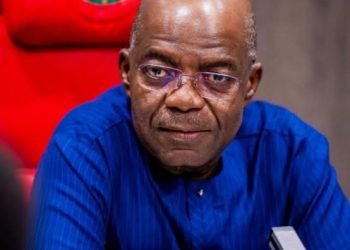
One of the private operators, Kenneth Ofurum, explained that the existing tariff system has become increasingly unbearable for freight forwarders and importers. According to him, many businesses are struggling to survive, while others have already shut down due to rising expenses associated with clearing goods.
Earlier in March, it was reported that freight forwarders operating within Lagos ports had pledged to resist any further increase in service charges imposed by shipping companies. This resistance later led to a coordinated demonstration at the offices of several major shipping lines in Apapa, Lagos.
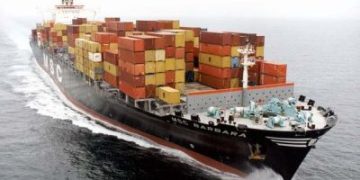
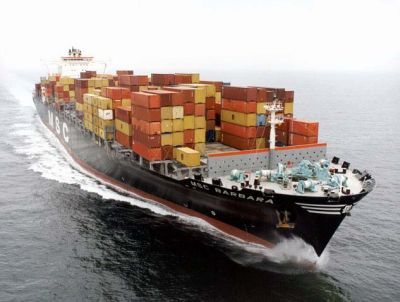
The protest began at the headquarters of MSC Shipping along Commercial Road, Apapa, and extended to other companies, including Lagos and Niger Shipping Company as well as Pacific International Lines. The action resulted in temporary disruption and suspension of operations at the affected offices.
In a related development, the Nigerian Shippers’ Council convened a meeting in April with key stakeholders in the maritime sector, including shipping firms, freight agents, importers, and exporters. The council emphasized the need for broad consultation before any new tariff adjustments are implemented.
Despite these engagements, Ofurum maintained that government fiscal policies must take into account the realities faced by operators. He argued that the current revenue-driven approach is exerting excessive pressure on businesses, with the resulting cost burden ultimately transferred to consumers through higher prices of goods and services.
He further noted that the increase in tariffs has contributed to a growing number of unclaimed and overtime cargo at ports, as many importers are now unable to afford the rising costs required to clear their consignments.
Ofurum also raised concerns about what he described as the gradual marginalization of Nigerian operators within the sector. He alleged that foreign interests are increasingly occupying roles traditionally handled by local practitioners in the freight forwarding and clearing value chain.
He stressed that the logistics and maritime industry has historically provided employment opportunities for thousands of Nigerians across documentation, shipping services, marine operations, and legal support roles. He warned that neglecting local content policies could worsen unemployment and weaken indigenous participation.
The stakeholders collectively called on the government to fully enforce existing local content laws that prioritize Nigerian operators. They also urged policymakers to develop new frameworks that protect domestic businesses from unfair competition while promoting equitable participation in the sector.
In addition, they advocated for more inclusive policy-making processes, insisting that relevant stakeholders must be actively involved in shaping reforms. This, they said, is particularly important in ongoing initiatives such as the National Single Window project and other digital transformation efforts in the maritime space.
Another industry player, Haruna Omolajumo, Managing Director of Harsecom Logistics Limited, echoed similar concerns. He emphasized the need for deliberate government intervention to ensure greater participation of local businesses in maritime operations.
He pointed out that in countries like Ghana, foreign companies are required to collaborate with local partners, ensuring that domestic operators retain a meaningful share of industry activities. He argued that Nigeria lacks similar structured safeguards, allowing foreign firms and concession holders to dominate the market.
Omolajumo further highlighted the steep rise in port charges, noting that fees that were once around ₦10,000 have now surged to several hundred thousand naira, making it increasingly difficult for small and medium-sized operators to remain competitive.
The stakeholders concluded by reiterating that while government revenue generation is important, it must be balanced with policies that support trade facilitation, protect indigenous businesses, and sustain long-term economic growth.