

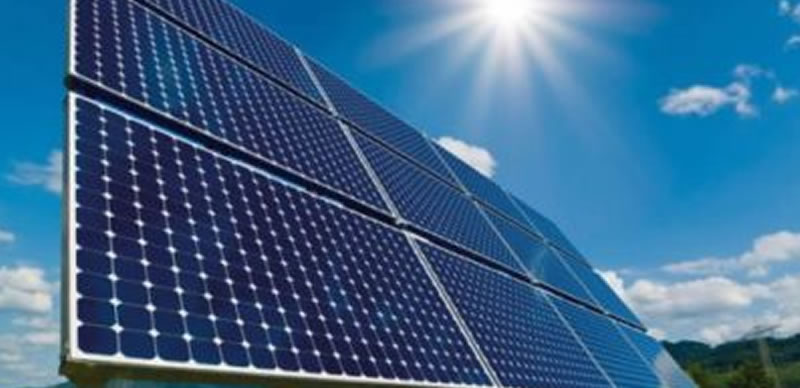
The Federal Government, through the Nigerian Electricity Management Services Agency (NEMSA), has raised concerns over a growing number of fire incidents linked to poorly installed rooftop solar photovoltaic (PV) systems across Nigeria.
As the country’s power supply continues to fall short of demand, many households and businesses are increasingly adopting solar energy as an alternative to frequent outages. While this shift supports cleaner energy use, it has also brought safety challenges, particularly with installations that fail to meet required standards.
In an official public notice, NEMSA highlighted that many of the reported fire outbreaks were caused by substandard installation practices. The agency pointed to issues such as unqualified technicians, inferior materials, lack of protective equipment, and widespread non-compliance with established technical regulations.
The notice, issued by the Chief Electrical Inspector of the Federation, stressed that although renewable energy adoption is vital for Nigeria’s energy transition goals, safety considerations must not be overlooked. According to the agency, adherence to proper installation standards is essential to prevent avoidable hazards.
Citing provisions of the Electricity Act 2023, NEMSA introduced detailed safety guidelines for rooftop solar PV installations. A key directive is that only certified professionals should handle such projects. These installers must possess valid NEMSA competency certificates and demonstrate adequate technical expertise.
The agency further instructed that a proper load assessment must be conducted before installation to ensure the system is appropriately sized for the building. Additionally, rooftops must be structurally capable of supporting solar panels to prevent damage or collapse.
NEMSA also emphasized the importance of using durable mounting systems, warning that weak structures or improper fittings can lead to serious safety risks, including fires and roof damage. Damaged solar modules such as those with cracks, deformities, or faulty junction boxes should never be used, as they can trigger electrical faults and reduce system efficiency.
On electrical safety, the agency recommended maintaining sufficient spacing between solar panels and roofing materials to allow ventilation and prevent overheating. Installers are also required to include essential safety components such as circuit breakers, fuses, surge protection devices, and proper grounding systems to minimize electrical risks.
Battery installation was another major concern raised. NEMSA advised that batteries must be placed in well-ventilated areas, away from heat sources and living spaces. For lithium-based batteries, the use of a battery management system and temperature control measures is mandatory to ensure safe operation.
The guidelines also addressed system design and wiring practices. Installers must separate critical loads if the solar system cannot power the entire building and ensure that cables are properly organized within conduits. Communication and power cables must not be routed together to avoid interference and potential hazards.
Finally, the agency stressed the importance of routine maintenance. System owners are encouraged to clean solar panels regularly, inspect components such as cables and inverters, and promptly replace faulty parts to maintain safety and performance.
NEMSA concluded by urging strict compliance with these guidelines, warning that failure to follow them could lead to serious safety risks, reduced system efficiency, and regulatory consequences.