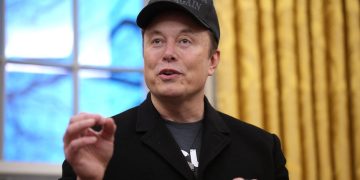


Billionaire entrepreneur Elon Musk has stirred a new debate after announcing that he cancelled his Netflix subscription, urging others to follow suit. According to Musk, the streaming giant is “pushing LGBTQ themes onto children,” particularly through its animated shows. His comments quickly ignited polarized reactions across social media, with some praising his stance and others accusing him of fueling unnecessary outrage.
The dispute centers on the now cancelled Netflix series Dead End: Paranormal Park, which included a transgender character. While the show concluded in 2023, clips recently resurfaced online, prompting critics, Musk among them, to claim that such storylines are part of a broader effort to introduce children to gender identity issues.
Taking to his platform X (formerly Twitter), Musk said he could no longer trust Netflix to provide “safe” content for kids. He encouraged his millions of followers to consider unsubscribing, claiming that representation of same sex couples and trans characters was being “forced” on younger audiences. Posts from Musk and his supporters quickly went viral, with hashtags such as “CancelNetflix” gaining traction.
The situation intensified after old social media screenshots allegedly linked to the show’s creator, Hamish Steele, began circulating. In those posts, Steele appeared to mock conservative activists and make sharp political comments. While Steele has since stated that the accusations were taken out of context and that he has faced harassment as a result, Musk’s supporters used the screenshots as further evidence of bias in children’s programming.
Industry watchers have noted that Musk’s high profile criticism has already affected Netflix’s market value, with shares dipping amid concerns over customer backlash. However, it remains unclear whether his boycott call will lead to a long-term loss of subscribers or if it will fizzle out as another short-lived controversy.
Not everyone agrees with Musk’s position. Advocates of LGBTQ+ inclusion argue that representation in television provides much needed visibility for marginalized groups. They contend that Musk’s campaign mischaracterizes the intent of such programs, which they see as reflecting diverse realities rather than promoting an agenda. Voice actors and fans of Dead End: Paranormal Park have also spoken out, emphasizing that the series was meaningful to young viewers who rarely saw themselves represented in mainstream media.
At the same time, Musk’s remarks reflect broader cultural divisions over media and identity politics. Debates around what children should or should not be exposed to in entertainment have become flashpoints in many countries, with streaming platforms often caught in the middle. For some parents, Musk’s message resonates as a call to guard against what they see as inappropriate storytelling. For others, it reads as censorship and intolerance dressed up as consumer choice.
Netflix has not yet issued a detailed response to Musk’s comments, though company representatives are reportedly monitoring the conversation closely. Whether the controversy has lasting effects on the platform’s strategy remains to be seen.
What is clear is that entertainment, culture, and politics continue to overlap more than ever and figures like Musk, with vast online influence, have the ability to turn personal choices into global debates almost overnight.