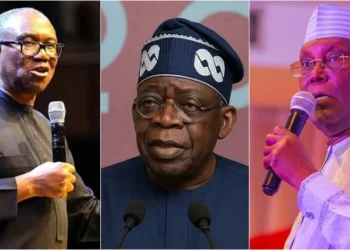


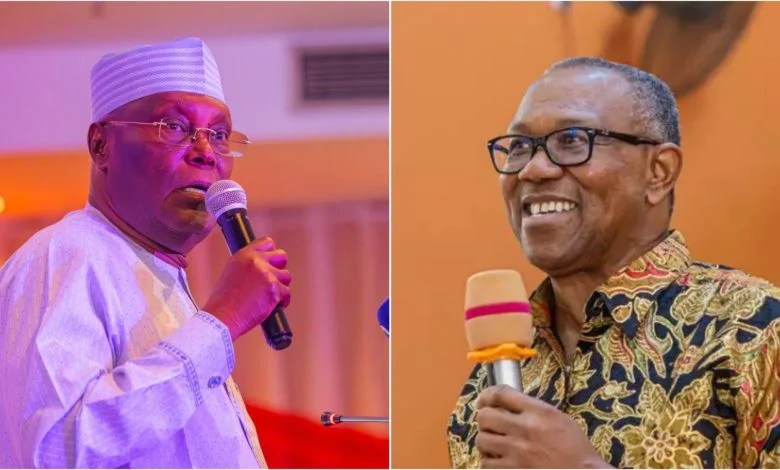
The G100 opposition alliance is considering a possible second round of voting in the 2027 presidential election as it pushes for greater unity among opposition leaders, including Atiku Abubakar and Peter Obi.
The development follows several engagements between members of the group and the two politicians, with the coalition seeking to keep them involved in its political negotiations despite their separate ambitions for the presidency.
The alliance had earlier called on opposition parties to support one presidential candidate in the 2027 election.
However, Atiku, who is contesting under the African Democratic Congress (ADC), and Obi, the presidential hopeful of the Nigeria Democratic Congress (NDC), have not indicated readiness to embrace the proposed arrangement.
A source within the coalition disclosed that the failure to reach an agreement on a joint candidate would not bring the discussions to a halt.
The source explained that the opposition figures could still work together at different points of the election, including before the polls, during voting and after the exercise.
He noted that neither Atiku nor Obi had shown interest in stepping down for a common candidate, but maintained that the alliance was exploring other possibilities.
According to him, maintaining contact with both politicians was necessary because their support could become relevant as the election progresses.
He added that the meetings were organised to encourage the two opposition leaders to remain part of the negotiations and reach an understanding on possible cooperation.
Another source familiar with the alliance’s activities said a presidential run-off had become one of the alternatives being considered if efforts to produce a single opposition candidate failed.
He stated that the group’s findings and political assessments suggested that the 2027 election might not produce a clear winner in the first round.
The source explained that this possibility had made continued discussions between Atiku and Obi increasingly important.
He said that if the opposition failed to settle on one candidate before the election, the existing negotiations could make it easier for the parties to support a common contender in a second ballot.
According to him, such an arrangement would allow opposition groups to combine their political strength instead of competing separately during a run-off.
He further stated that the G100 was preparing for different electoral possibilities while continuing to pursue its original objective of opposition unity.
Meanwhile, Section 134 of the Nigerian Constitution stipulates the conditions for conducting another presidential election where no candidate fulfils the requirements for victory in the initial poll.
Electoral guidelines issued by the Independent National Electoral Commission (INEC) also provide for a second election where the required votes and geographical distribution are not achieved.
The ongoing consultations are therefore expected to remain central to the G100’s efforts to establish a common position among opposition parties before the 2027 presidential contest.