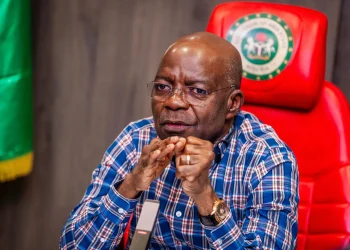


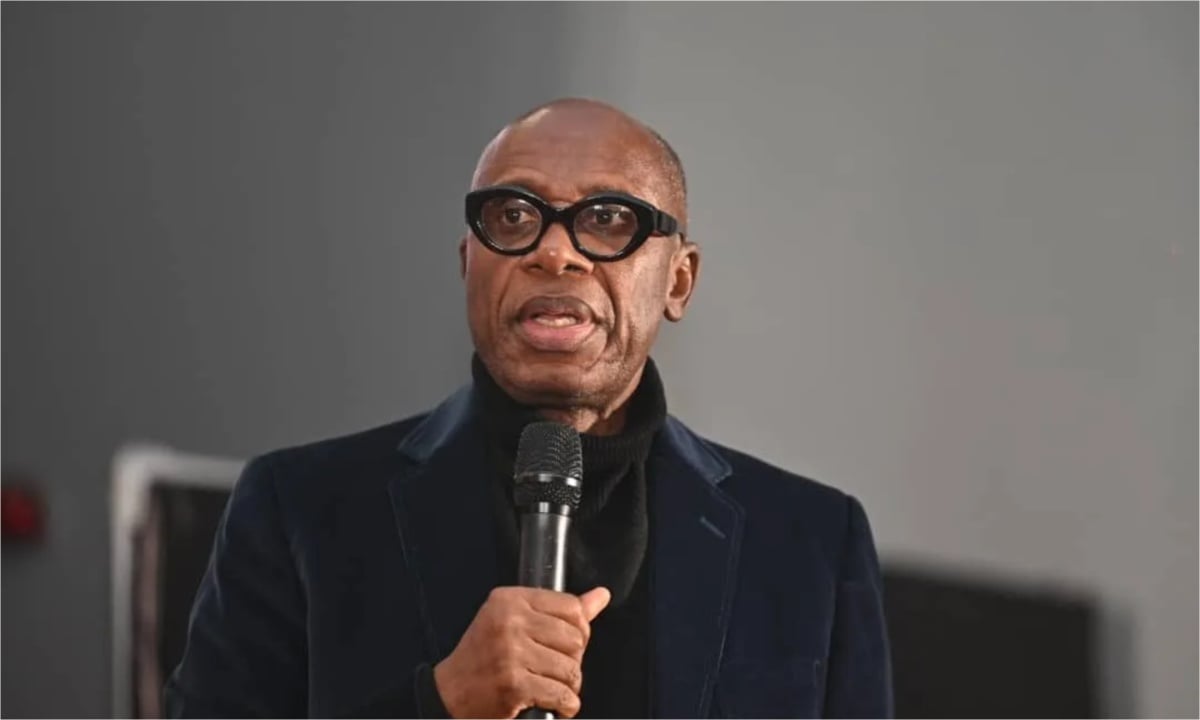
Abuja: When Rt. Hon. Rotimi Amaechi called Nigeria’s condition by one word, “hunger,” his critics heard a campaign slogan. A growing number of Nigerians now hear a diagnosis. And as an Edo APC chairman’s talk of “AK-47 fire” shows, some politicians are answering that diagnosis with a threat.
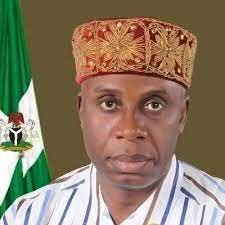

Amaechi is no longer a commentator. The African Democratic Congress (ADC) named the former Rivers State governor and ex-Minister of Transportation as its vice-presidential candidate for the 2027 general election, running alongside Atiku Abubakar. He came second to Atiku in the party primary, and he defected to the ADC from the APC, where he had led the presidential campaign council. The ADC has billed the ticket as a truly national ticket bridging regions, generations and political traditions.
The warning
Amaechi’s message is simple. He says Nigeria faces hunger, that the Tinubu administration represents the choice of death, and that if the 2027 election is rigged, there may be no Nigeria left to speak of.
Writing in a widely shared commentary, the analyst Udo Silas set that warning beside the rhetoric of Jarrett Tenebe, the Edo APC chairman. Silas observed that “one speaks of the graveyard produced by economic despair; the other, even if couched as political theatrics, summons the imagery of a rifle over the ballot box.”
Tenebe’s context is a vote-delivery pledge. He has said the party is resolved to deliver 2.5 million votes for President Tinubu in 2027. Governor Monday Okpebholo has said that figure is “achievable and already settled.”
Edo State’s registered electorate is far smaller than that figure. Ahead of the 2024 governorship election, a little over 2.2 million voters had collected their PVCs. Opponents argue that a “settled” target of 2.5 million votes, backed by talk of gunfire against anyone who obstructs it, describes an outcome in search of an election.
The figures Silas cites explain why the warning resonates:
- Headline inflation stood at 15.39 percent in August, but food inflation was 19.57 percent year-on-year.
- Petrol has reportedly sold at ₦1,350–₦1,430 per litre in major markets, and cooking gas at roughly ₦1,500–₦1,600 per kilogramme.
- Nearly 71 percent of health expenditure comes out of private pockets.
- The World Food Programme estimate cited by the BBC says 35 million Nigerians may face food insecurity in 2026, up from 24.8 million in 2023.
Silas calls this “political weather: pressure gathering beneath a national roof.” Hungry people do not usually revolt over statistics. They revolt when they conclude that the ballot, the one peaceful exit, has been closed.
Critics of the government point to three warning signs already in the air:
- Vote targets stated before a vote is cast. Millions of votes are being promised in advance, with the apparent expectation that the ballot will confirm them.
- Shrinking space for dissent. In Silas’s account, police cancelled an Obidient Movement march in Akwa Ibom after approvals had reportedly been issued, and five men linked to “Tinubu Must Go” T-shirts were arrested and arraigned in Maiduguri. Police say the Maiduguri case involved more than the shirts, including alleged disturbance, thuggery and suspected drug possession, and opponents dispute that account.
- A one-sided mandate. Tinubu took the APC ticket with 10,999,162 votes, to 16,503 for his only challenger. Opponents say a contest with no real competition breeds a belief that the general election will be treated the same way.
If the 2027 result is widely believed to have been manufactured, history offers a sobering script. Silas notes that mass resistance in Burkina Faso in 2014 defeated Blaise Compaoré’s bid to extend his rule, and that popular mobilisation in Senegal reversed attempts to delay the 2024 election. In both cases, high living costs and closed institutions fed public anger. Hannah Arendt’s point, he writes, is that power rests on consent, and violence appears where power is failing.
Put plainly: hunger without a credible ballot has nowhere to go but the street. A government that answers with rifles, real or rhetorical, risks turning a protest into a crisis.
Amaechi’s record
Amaechi’s supporters say his record is the best reason to take his warning seriously. He governed Rivers State from 2007 to 2015, and admirers regard him as the best governor the state has ever had. They point to his investment in roads, schools, urban renewal and transport infrastructure in Port Harcourt. They also point to his later service as Minister of Transportation, which they say gives him the executive and legislative experience the ADC has stressed. The party says that depth of experience would be “invaluable” from day one of an Atiku-Amaechi government.
It is worth noting that no election has been rigged yet; the 2027 vote is still ahead, and these are warnings, not findings. The APC and its allies would say Tenebe’s remarks are political bluster rather than a plan, and that Tinubu’s reforms, including the education loan fund and the metering programme the president cited at his primary, are laying a foundation for recovery. They would also point out that Amaechi himself once led Tinubu’s campaign council before leaving the APC, and that the ADC has had its own troubles. Amaechi rejected the result of the ADC primary, alleging widespread voter disenfranchisement, before later accepting the vice-presidential slot. The party has since had to deny any crisis over his nomination. The ADC’s critics ask whether a party that struggled to run a clean primary can credibly demand a clean general election. Police have also given security reasons for their decisions on rallies and arrests.
Both sides, however, agree on one thing: the election has to be seen to be fair. Silas’s closing call is for politicians to “lower their guns,” for the police to protect every lawful campaign, and for INEC and the courts to remember that their first loyalty is to the citizen rather than to the party that appoints or flatters them.
Whether 2027 is remembered as the year Nigeria’s ballot absorbed its anger, or the year anger found another outlet, may depend on who is listening to the hunger, and who is reaching for the gun.