

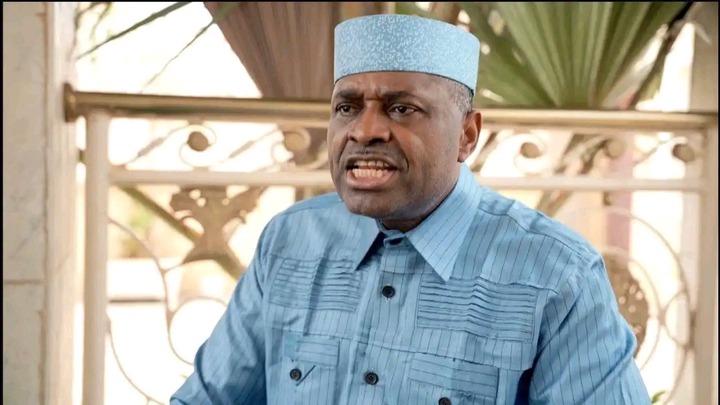
Nollywood actor and African Democratic Congress (ADC) stalwart Kenneth Okonkwo has thrown his weight behind former Vice President Atiku Abubakar, describing him as a politician capable of giving President Bola Tinubu a major contest in the 2027 presidential election.
Okonkwo spoke on September 23, 2026, while examining the emerging political alignments and possible partnerships expected to shape the next presidential race.
He equally cautioned people in the South-East against making zoning the sole basis for choosing their preferred candidate in the forthcoming election.
The ADC chieftain urged voters to look beyond where a candidate comes from and pay attention to the administration’s record, as well as the ability of those seeking the presidency to provide solutions to the country’s challenges.
Okonkwo, who serves as a spokesperson for Atiku’s campaign, argued that the agitation for power to return to the southern region should not automatically translate into votes for Tinubu.
He maintained that voters ought to examine the performance of the current government before deciding whether to retain the incumbent or support another candidate.
The former Labour Party figure specifically pointed to Atiku as the opposition politician he considers capable of mounting a serious challenge to Tinubu.
He further appealed to voters in the South-East to support Atiku and work with the ADC as political preparations for the 2027 election continue.
In making his argument, Okonkwo referenced the political partnership between Tinubu and former President Muhammadu Buhari before the 2015 presidential election.
His comments come at a time when opposition politicians are holding discussions over possible cooperation and electoral arrangements ahead of the next general election.
The ADC chieftain has consistently called for greater collaboration among opposition forces, arguing that a more coordinated opposition could present a stronger challenge to the governing All Progressives Congress (APC).
He had also expressed reservations about Peter Obi’s chances of defeating Tinubu without the backing of a broader opposition arrangement.
However, efforts to achieve opposition unity have continued to face differences over candidates, political parties and the structure of any proposed alliance.
Atiku is now contesting the presidency on the ADC platform, while Obi is running under the Nigeria Democratic Congress (NDC).
The two opposition figures were previously associated with discussions surrounding the formation of a wider political alliance designed to challenge the APC in 2027.
Those negotiations generated significant interest within political circles, with several opposition leaders exploring ways of presenting a common front against the ruling party.
The discussions, however, did not result in Atiku and Obi contesting under the same platform, as both eventually proceeded with separate political parties.
The ADC has meanwhile insisted that Atiku is capable of seeking the presidency without depending on a coalition.
Speaking in August, the party’s National Publicity Secretary, Bolaji Abdullahi, said the former vice president could prosecute his presidential campaign through the ADC independently, although engagements with other opposition groups had not been abandoned.
The development has further intensified conversations about the direction of the opposition ahead of the 2027 election.
Zoning, regional representation, political alliances and the possibility of opposition consolidation have remained key issues in the emerging presidential contest.
Okonkwo’s latest remarks have therefore added another voice to the debate over whether voters should prioritise regional considerations or focus primarily on the performance and programmes of individual candidates.
As preparations for the 2027 election gather pace, political actors continue to advance competing positions on the best strategy for challenging the APC.
Okonkwo’s endorsement of Atiku reflects his position as a campaign spokesperson, while other opposition politicians remain committed to different candidates and political arrangements.