

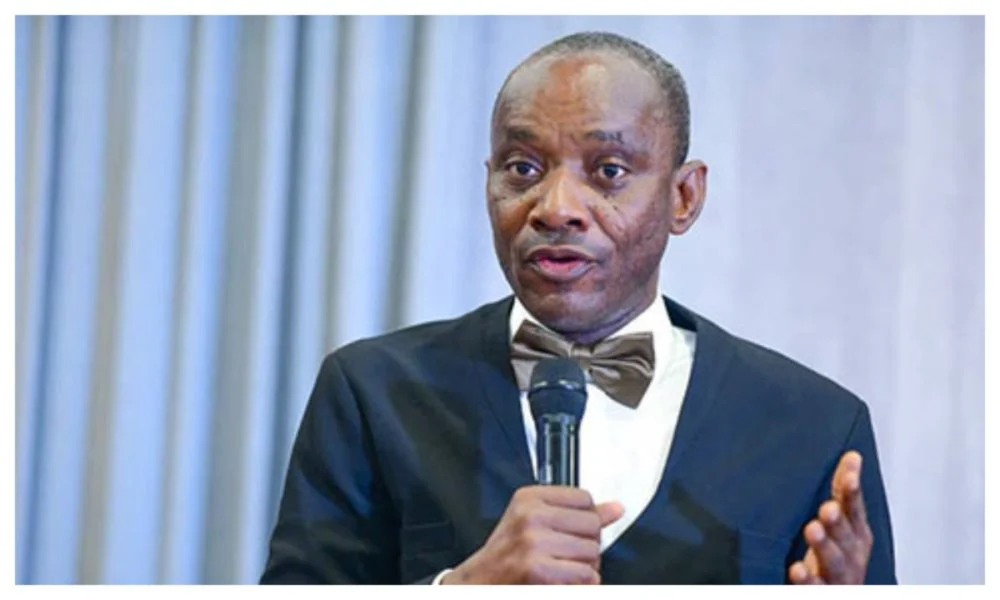
The Director of the Abuja School of Social and Political Thought, Sam Amadi, has said the Igbo people can achieve their aspiration of producing Nigeria’s president by building political relationships based on dignity and mutual respect.
Amadi made the remark while discussing the prospects of an Igbo presidency ahead of the 2027 general elections.
According to him, the South-East must approach the issue of national leadership from a position that recognises the region’s contribution to Nigeria while also engaging constructively with other parts of the country.
He argued that political negotiations should not be driven solely by demands for support but should involve partnerships that provide value to all sides.
Amadi’s comments come amid renewed discussions over zoning, regional representation and the possibility of a presidential candidate from the South-East emerging in the 2027 election.
The issue has remained a subject of debate among political actors, with different groups advocating various strategies for securing greater representation at the federal level.
The academic and public affairs commentator has previously weighed in on the political prospects of the South-East, particularly on the need for the region to strengthen its political influence beyond electoral calculations.
His latest position places emphasis on dignity and strategic engagement as part of the process of building broader national support.
The discussion is also taking place against the backdrop of political realignments ahead of the 2027 elections, with politicians from different regions joining parties and forming alliances in preparation for the contest.
Amadi’s remarks suggest that the South-East’s presidential aspiration would require engagement with political interests outside the region rather than relying exclusively on regional support.
The 2027 presidential race is expected to feature candidates and political movements seeking support across Nigeria’s six geopolitical zones.
Political stakeholders have continued to debate issues including zoning, competence, regional inclusion, party alliances and the need for broader political cooperation.
For the South-East, the question of how to build sufficient national support for a presidential bid remains central to discussions about the region’s political future.
Amadi’s comments therefore add to the ongoing national conversation about the strategies different regions and political groups may adopt as Nigeria moves towards the 2027 general elections.
His position, however, represents his own assessment of the political situation, while other political figures and groups may hold different views on the best route to achieving greater regional representation at the federal level.