

The Independent National Electoral Commission (INEC) has raised concerns over the growing use of artificial intelligence (AI) to create and circulate fabricated election-related content ahead of Nigeria’s 2027 general elections.
The commission warned that AI-generated fake results, manipulated videos, fabricated audio recordings and targeted false narratives could undermine public confidence in the electoral process if they are not detected and countered promptly.
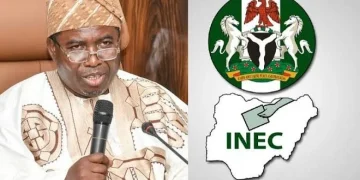
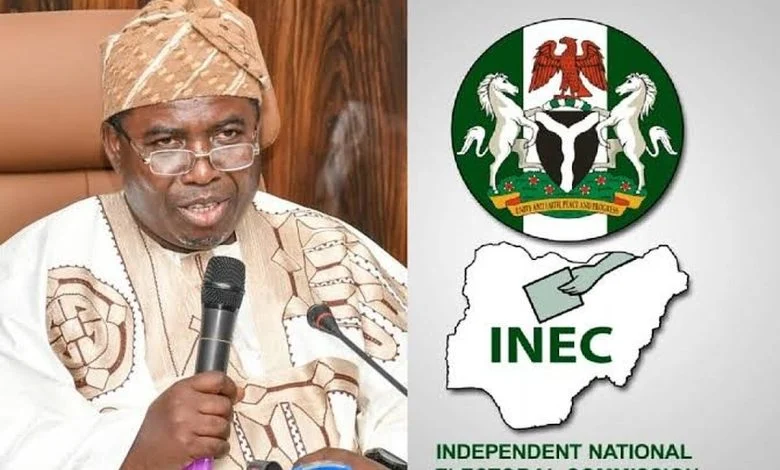
INEC National Commissioner and Chairman of the Information and Voter Education Committee, Mohammed Kudu Haruna, raised the concern in Abuja during a capacity-building workshop for the commission’s Public Affairs Officers.
Haruna, who represented INEC Chairman, Professor Joash Amupitan, said advances in generative AI had made it cheaper and increasingly difficult to identify manipulated audio, images and videos.
He noted that the misuse of AI was not limited to producing fake visual materials, as the technology could also be used to develop targeted messages designed to influence different groups of voters with conflicting narratives.
According to the commission, the growing threat means electoral credibility must be considered beyond activities at polling units and the physical handling of electoral materials.
INEC said the information environment in which voters receive and assess election-related information has become an important part of election management.
The commission therefore stressed the need to strengthen the capacity of its communication personnel to identify false information, verify claims and respond quickly when misleading content begins circulating.
The workshop, themed “Strengthening PAOs Capacity for Credible, Verified and Responsible Election Communication Towards 2027,” was designed to prepare INEC’s Public Affairs Officers for the communication challenges expected during the election period.
INEC Director of Voter Education and Publicity, Victoria Eta-Messi, said the commission operates under constant public scrutiny and frequently faces attempts to misrepresent its activities.
She stressed the importance of accurate and reliable communication, noting that members of the public often form their impressions of the commission through information provided by its communication officers.
The commission said additional capacity-building programmes were being planned to further strengthen the ability of its personnel to handle misinformation and disinformation.
Media stakeholders have also expressed concerns about the potential impact of AI-generated misinformation on the 2027 elections.
At the 8th Bagauda Kaltho Media Lecture Series organised by the Africa Media Development Foundation, participants identified fabricated election results, deepfake videos and manipulated audio as emerging threats to the electoral information environment.
They warned that false election information could spread across social media platforms faster than journalists and fact-checkers could verify or debunk it.
The stakeholders consequently called on media organisations to invest in continuous training in digital verification, fact-checking and responsible use of artificial intelligence.
They also urged technology companies and digital platforms to collaborate with journalists, civil society organisations and relevant institutions to develop effective mechanisms for identifying manipulated and AI-generated content.
As political activities intensify ahead of the 2027 elections, INEC and media stakeholders say accurate information, verification and responsible communication will remain critical to maintaining public confidence in the electoral process.