

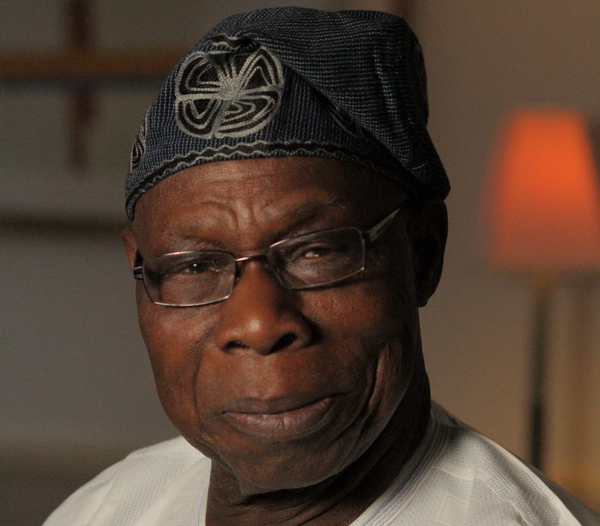
Former President Olusegun Obasanjo has expressed concern over the growing role of the judiciary in determining election outcomes in Nigeria, questioning whether democracy is truly served when the votes of millions of citizens can ultimately be overturned or decided by a handful of judges.
Obasanjo spoke on Tuesday as chairman of the 2026 Goodluck Jonathan Foundation (GJF) Democracy Dialogue at the Ahmadu Bello International Conference Centre in Bauchi.
The dialogue, themed “Beyond Elections: Can Political Parties and Judiciary Save African Democracy?”, brought together political leaders, statesmen, scholars and democracy advocates from Nigeria and other African countries.
Obasanjo questioned the democratic implications of a system in which millions of citizens cast their votes, only for a small number of judges to determine the final outcome.
“If millions of people have voted and five people would form a decision either in favour or against the decision of millions of people, is that democracy?” he queried.
The former president also raised questions about the independence of the judiciary, asking whether it remained truly independent or was being influenced by the government.
According to Obasanjo, the situation raises fundamental questions about the state of democracy in Nigeria and across Africa, stressing that democracy must ultimately translate into good governance and improved living conditions for citizens.
He said democracy should guarantee the welfare and wellbeing of the people while promoting inclusiveness, equality and a sense of belonging.
He also stressed the need for democracy to protect lives and property while addressing marginalisation and discrimination.
“Democracy that works must deliver the dividends of democracy,” he said.
Obasanjo also questioned the effectiveness of political parties in sustaining democratic governance, asking whether they were capable of delivering on their responsibilities to citizens.
“Can the political parties deliver, or are they delivering? These are the questions the dialogue needs to answer,” he said.