

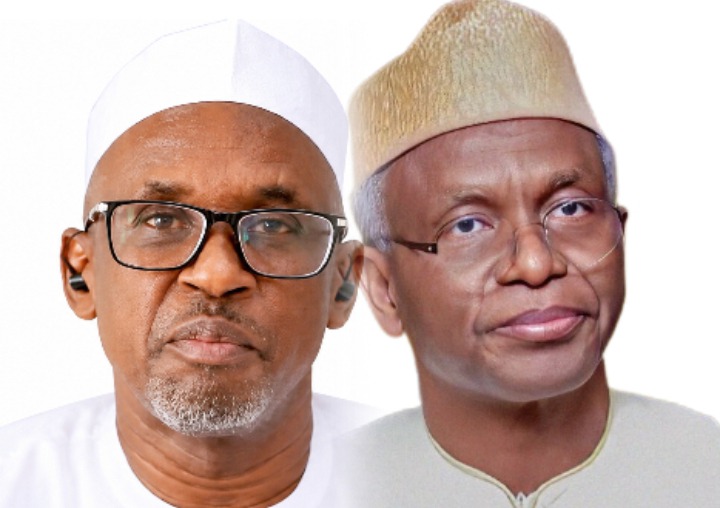
Activist and political commentator, Mahdi Shehu, has spoken about the possible political consequences of the ongoing rift between former Kaduna State Governor, Nasir El-Rufai, and the All Progressives Congress (APC).
Shehu made his observations during an appearance on Symfoni TV on Sunday, November 1, 2026, where he examined the disagreement involving the former governor and the ruling party, as well as its potential implications for political relationships ahead of the 2027 general elections.
During the programme, the public affairs analyst argued that political organisations should not expect continued loyalty from individuals who believe they have been unfairly treated by their members or those occupying positions of authority.
Illustrating his position, Shehu remarked, “You cannot demolish my house and expect me and my relations to vote for your party.”
He made the statement while addressing the grievances surrounding El-Rufai and the possible impact of his strained relationship with the political establishment.
According to the activist, the manner in which political parties handle disagreements with their members can determine whether such individuals remain committed to their platforms or withdraw their support.
He explained that when people believe their interests have been undermined or that they have suffered injustice, maintaining allegiance to the organisation responsible for their grievances could become difficult.
Shehu further suggested that the consequences of political disputes may extend beyond the individuals directly involved, as their relatives, associates and other supporters could also reconsider their relationship with the party.
His remarks highlighted the connection between personal experiences, political loyalty and decisions made during elections. He maintained that support for a political organisation should not automatically be assumed, particularly when those who previously identified with it feel aggrieved by certain developments.
The analyst’s comments come against the backdrop of the disagreement between El-Rufai and the APC, with the former Kaduna governor’s relationship with influential figures within the ruling party attracting attention ahead of the next electoral cycle.
Shehu used the situation to emphasise that political disagreements can have wider implications, especially when they involve prominent figures who previously played significant roles within a party.
He also stressed that political leaders and party officials should recognise that decisions taken against former allies could affect relationships with their wider support networks.
The activist maintained that political loyalty is not guaranteed and that the treatment of individuals within a party can influence whether they continue to identify with its leadership or support its candidates during subsequent elections.
He concluded that political parties must be mindful of how they manage internal disagreements, warning that actions perceived as unfair treatment could weaken relationships with people who once contributed to their political success.
His argument centred on the idea that individuals who feel victimised by a political establishment may reconsider their support, alongside family members and associates who share their grievances.