

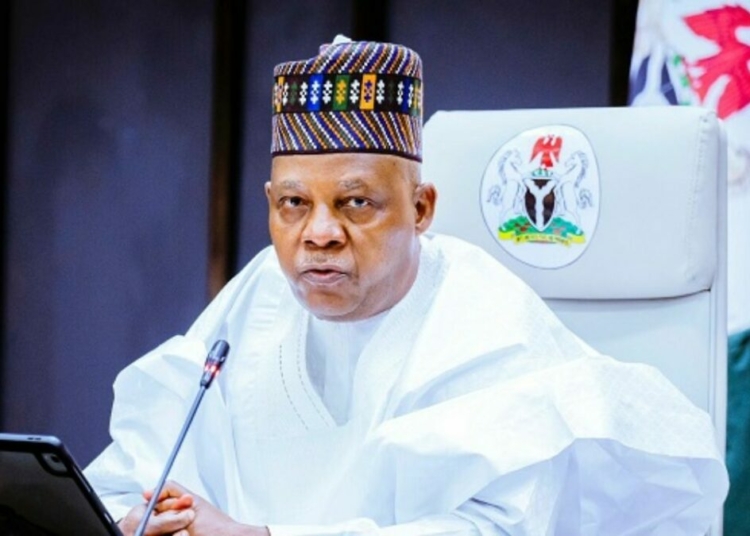
A reflection on the leadership journey of Vice President Kashim Shettima has highlighted the values of loyalty, commitment and public service that have shaped his political career and contributions to governance.
The discussion, which focused on lessons drawn from Shettima’s years in public service, described the Vice President as a leader whose political journey has been influenced by resilience, dedication and a strong belief in service to the people.
Shettima, who previously served as Governor of Borno State before becoming Nigeria’s Vice President, has remained a prominent figure in the country’s political landscape. His career has spanned challenging periods, particularly during his time as governor when Borno State faced serious security challenges.
Observers of his political journey have noted his ability to maintain political relationships, build alliances and remain committed to governance despite difficult circumstances. His supporters often point to his experience in managing crises and his contributions to policy discussions at both state and national levels.
The reflection on his leadership also highlighted the importance of humility, teamwork and understanding the responsibilities that come with public office. It emphasised that effective leadership requires patience, sacrifice and the ability to work with people from different backgrounds.
Since becoming Vice President under President Bola Tinubu’s administration, Shettima has played key roles in supporting government policies and representing Nigeria in various national and international engagements.
Political analysts say Shettima’s experience demonstrates the evolving nature of leadership in Nigeria, where political figures must balance public expectations, governance challenges and the need for national unity.
As political activities continue to increase ahead of the 2027 general elections, the role and influence of senior political figures such as Shettima remain a subject of public discussion. Supporters believe his experience and administrative background continue to shape his contributions to national development.
However, critics and opposition voices continue to assess the performance of the current administration, including the role played by the Vice President in addressing economic challenges, security concerns and other national issues.
The conversation around Shettima’s leadership journey reflects the broader debate about qualities Nigerians expect from their political leaders. Many stakeholders argue that integrity, competence and commitment to citizens’ welfare should remain central to public service.
As Nigeria navigates its political future, lessons from the careers of experienced leaders like Kashim Shettima are expected to continue influencing discussions about governance, leadership and the direction of the nation.