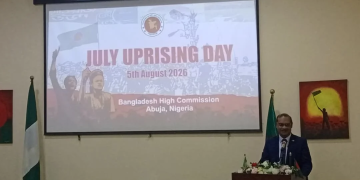


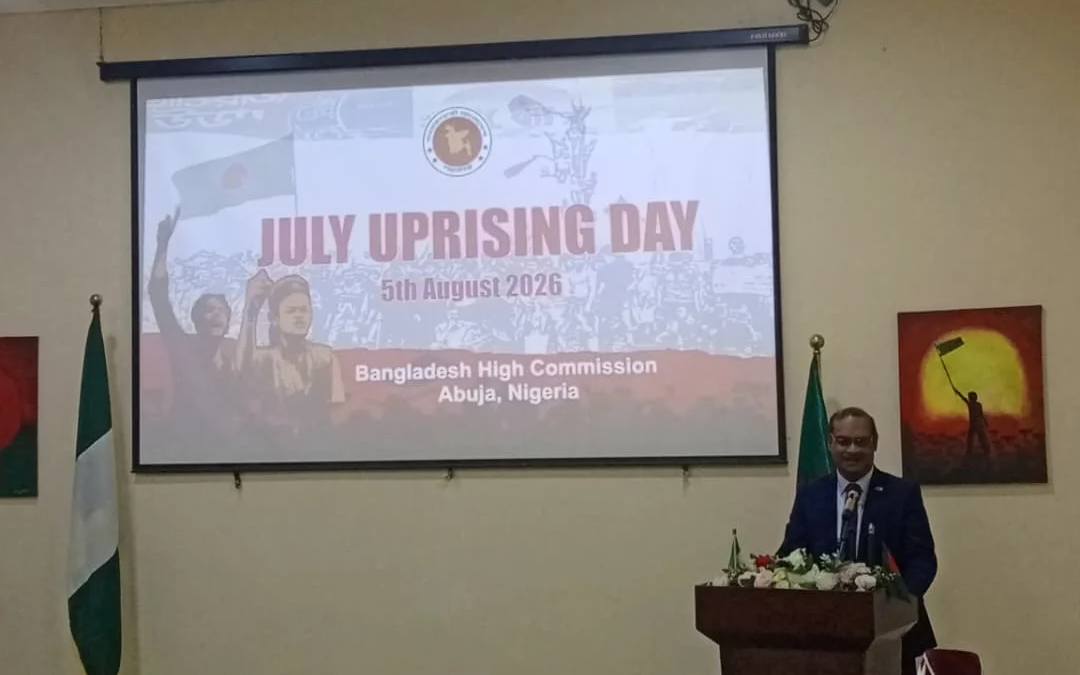
Bangladesh has commemorated the anniversary of its July Uprising, with government officials and political stakeholders reaffirming their commitment to democratic values, national unity and institutional reforms. The anniversary marks the historic movement that played a major role in shaping the country’s recent political transition.
The July Uprising, which began as a student-led protest movement in 2024, grew into a nationwide movement that attracted widespread public participation. The event has remained a significant moment in Bangladesh’s political history, with authorities using the anniversary to honour those who lost their lives and reflect on the country’s democratic future.
Speaking during the commemorations, leaders emphasised the importance of protecting democratic institutions, promoting accountability and ensuring that the sacrifices associated with the uprising contribute to a more inclusive society. Prime Minister Tarique Rahman said the movement’s achievements should not be attributed to any single political group but should be viewed as a national event involving citizens across the country.
The anniversary activities included remembrance events and programmes aimed at preserving the history of the uprising. Officials highlighted the need to maintain unity and avoid divisions while pursuing reforms that address citizens’ expectations for better governance.
President Mohammed Shahabuddin also paid tribute to those who died during the movement and called for continued efforts toward building a fairer and democratic Bangladesh. He described the anniversary as an important occasion to remember the contributions of citizens who participated in the struggle for political change.
Political observers say the anniversary comes at a crucial period for Bangladesh as the country continues to navigate political changes and debates over the future direction of governance. They noted that maintaining democratic principles, protecting citizens’ rights and ensuring peaceful political participation remain key challenges for the nation.
Meanwhile, the government has continued efforts to preserve the memory of the uprising through historical projects, including the establishment of a memorial museum dedicated to documenting events surrounding the movement and honouring those affected.
As Bangladesh reflects on the significance of the July Uprising, leaders have urged citizens to uphold peace, unity and democratic values. Stakeholders believe the lessons from the movement should guide future political reforms and strengthen democratic institutions in the country.