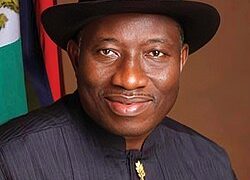


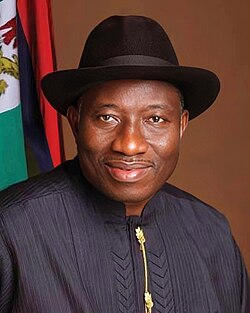
A chieftain of the Peoples Democratic Party (PDP), Umar Sani, has argued that reports suggesting former President Goodluck Jonathan is reluctant to contest the 2027 presidential election should not be interpreted as an indication that he is no longer a potential candidate.
Sani said Nigeria’s political history is filled with examples of leaders who initially appeared unwilling to seek public office but eventually accepted leadership responsibilities when called upon by the nation.
According to him, political reluctance has never been a barrier to attaining the country’s highest office, noting that many prominent leaders emerged through circumstances and national consensus rather than personal ambition.
“Political reluctance has never stopped leaders from emerging,” Sani said.
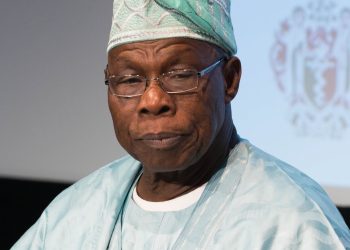
Drawing from history, he cited former President Olusegun Obasanjo as a notable example. According to Sani, Obasanjo accepted the responsibility of leading the country after the assassination of former Head of State, General Murtala Mohammed, despite not actively seeking the position.
“When Obasanjo was asked to succeed Murtala Mohammed, he reluctantly accepted and became president,” he stated.
Sani further referenced Obasanjo’s return to power in 1999, arguing that the former military ruler was persuaded to contest and serve rather than aggressively pursuing the office from the outset.
“Obasanjo’s 1999 comeback was also with reluctance. He was called upon to serve,” he added.
The PDP stalwart maintained that discussions about Jonathan’s possible return to the presidential race should focus on his eligibility and political relevance rather than speculation about his willingness to contest.
“The issue of whether Jonathan is reluctant does not arise,” Sani said.
He noted that Jonathan remains a significant figure in Nigeria’s political landscape, having served as president and continued to play influential roles in national and international affairs. As such, Sani argued, the former president remains a subject of considerable political interest ahead of the 2027 elections.
Addressing concerns about Jonathan’s constitutional eligibility, Sani pointed to previous legal challenges that questioned his right to seek another term, insisting that recent court decisions have strengthened arguments supporting his eligibility should he decide to run.
“The court has dismissed the case,” he said.
According to Sani, political stakeholders and the public should focus on broader national issues and electoral dynamics ahead of 2027 rather than interpreting Jonathan’s reported hesitation as a definitive decision to stay out of the race.
He concluded that history has repeatedly demonstrated that national leadership can emerge through consensus, persuasion, and circumstance, making Jonathan’s perceived reluctance insufficient grounds to dismiss the possibility of a future presidential bid.