Governor Senator Monday Akinola Okpebholo of Edo State has pledged to dismantle the dominant position of the Benin Electricity Distribution Company (BEDC) in the state’s power supply market and address growing public frustration over inconsistent electricity service and billing issues. His promise follows protests by residents demanding better power distribution and accountability from electricity providers.
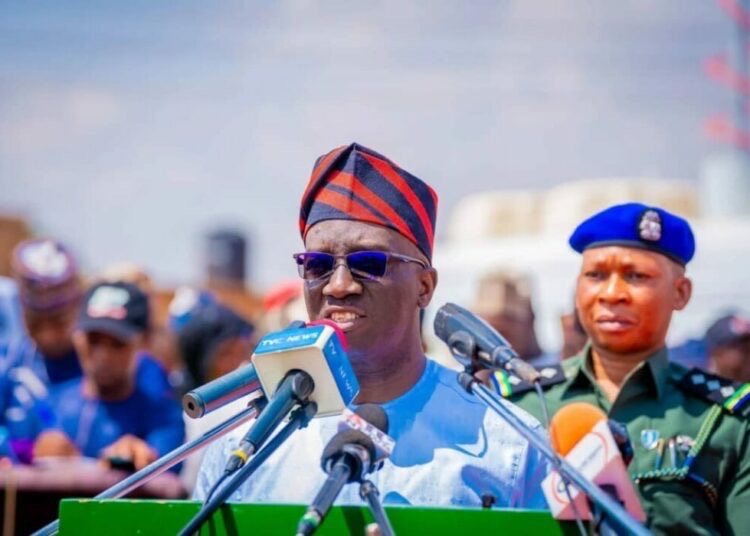
Okpebholo made the declaration on Monday, March 9, 2026, during a meeting with local leaders, youth representatives and community stakeholders in Benin City. He said that Edo State will pursue policies that encourage competition and ensure residents receive reliable electricity, rather than leaving service solely in the hands of one distribution company.
Residents of several communities in the state had recently held demonstrations to draw attention to frequent outages, high bills and the perceived lack of responsiveness from BEDC in resolving persistent power issues. The protests highlighted widespread dissatisfaction with electricity service, prompting government attention.
Addressing the concerns, Governor Okpebholo said the state government has been engaging with key stakeholders in the power sector to explore ways to restructure distribution arrangements. He described the current monopoly as detrimental to consumers and said that encouraging multiple operators and improved regulatory oversight could promote better service delivery and accountability.
Okpebholo assured protesters that the government would support reforms that attract investment and innovative solutions to enhance electricity supply. He reiterated his commitment to ensuring that power becomes more affordable and dependable, and that service provision reflects the needs of residents and businesses alike.
The governor said that while BEDC has a duty to serve customers under its concession, the state will work with relevant federal agencies, regulatory bodies and private sector partners to encourage improved performance or identify alternative arrangements. He stressed that the government’s priority is clear: Edo citizens must not be left in the dark.
Political analysts say the governor’s remarks reflect broader concerns about the effectiveness of electricity distribution across Nigeria, where residents in many states have long criticised distribution companies for poor service, unclear billing practices and lack of investment in infrastructure. Okpebholo’s pledge to challenge BEDC’s dominant position indicates increased pressure on political leaders to address persistent gaps in power delivery.
Supporters of the governor welcomed his commitment, saying it demonstrates responsiveness to public demands and a willingness to pursue reforms that directly impact everyday life. They argue that breaking monopolistic control and encouraging competition can help improve service quality, attract investment and ultimately benefit consumers.
Critics, however, warn that restructuring a major concession like BEDC involves careful negotiation and strong regulatory backing to avoid unintended disruptions or legal challenges. They emphasise that any move toward competition must be coordinated with the Nigerian Electricity Regulatory Commission (NERC) and the Federal Government to ensure continuity of supply and investor confidence.
Okpebholo’s engagement with protesters and his vow to champion power sector reform underscore the urgent demand among citizens for improved electricity services — a recurring issue in the state and nationwide. His statements are likely to fuel further discussions on distribution industry practices, regulatory frameworks and alternative models aimed at satisfying consumer expectations.