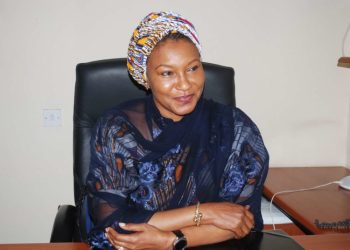
Economist Ike Chioke has called on the Central Bank of Nigeria (CBN) to direct commercial banks not to invest newly raised capital into the Nigerian Stock Exchange (NSE), warning that such financial flows could fuel market volatility and weaken the banking sector’s stability. His comments come amid ongoing discussions about how to balance capital market growth with financial system prudence.
Chioke made the call during an interview in Lagos on Monday, February 23, 2026, stressing that banks should priorities lending to productive sectors of the economy such as agriculture, manufacturing and small business rather than directing fresh capital into equities where speculative trading can lead to significant losses.
“The banking sector must avoid short-term speculative investment that can undermine its core mandate of promoting economic activity through lending,” Chioke said. He argued that while broadening investment options is important, the priority for newly injected bank capital should be on financing activities that generate employment, support production and enhance Nigeria’s economic resilience.
His recommendation comes at a time when banks in Nigeria have enjoyed improved capital bases following regulatory recapitalization efforts creating fresh liquidity that some market watchers fear could end up skewing investment flows toward the stock market, where prices have at times shown sharp swings.
Chioke warned that directing fresh capital into the stock market might create asset price bubbles, exposing banks to market risks that could weaken financial stability if there is a sudden downturn. He said that financial institutions as custodians of depositor funds should exercise greater discipline and ensure that investment decisions align with long-term national development goals.
While discussing his proposal, the economist underscored the need for the CBN to show leadership by issuing clear regulatory guidance on the permissible uses of additional bank capital. He stressed that regulatory direction would help steer capital toward productive credit markets, as opposed to speculative engagements that offer quick returns but little substantive impact on economic growth.
“The Central Bank must guide banks on responsible capital utilization,” Chioke noted, adding that such guidance would also help deepen Nigeria’s financial markets in a way that supports sustainable development.
Chioke’s comments reflect broader concerns expressed by some analysts and policymakers who argue that rapid growth in stock market participation especially by banks and institutional investors can sometimes lead to systemic risks if not appropriately monitored and regulated.
Nigeria’s stock market has seen periods of renewed interest, with some sectors performing strongly on indicators and investment appetite growing among certain institutional and individual investors. However, these gains have occasionally been accompanied by increased price volatility, leading critics to urge caution around unregulated inflows that are not backed by fundamental economic growth.
In response to Chioke’s proposal, some financial experts say that while restrictions might temper speculative risk, outright bans could reduce liquidity in the capital market and potentially slow overall market development. They argue that a balanced approach combining regulatory oversight with targeted incentives for productive lending would be more effective than a blanket prohibition.
The CBN’s position on the matter has not yet been publicly stated, but stakeholders anticipate that the bank’s next policy pronouncements especially on capital deployment guidelines could influence how commercial banks allocate funds going forward.
Economists and market participants are likely to continue debating the best mix of regulatory control and market freedom, particularly as Nigeria seeks to deepen its financial sector while ensuring economic stability and inclusive growth.