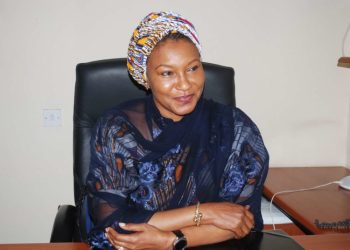
A chieftain of the All Progressives Congress (APC), Hon. Olatunbosun Oyintiloye, has urged government agencies to intensify public sensitisation efforts on Nigeria’s newly introduced tax reform laws, warning that poor awareness and widespread misinformation are fuelling confusion and mistrust across the country.
Speaking with journalists in Osogbo, Osun State, the former lawmaker said that many Nigerians – including educated citizens – still lack a clear understanding of the new tax laws, leading to misconceptions about what the legislation entails, how it will be implemented and who will be affected. According to Oyintiloye, this knowledge gap has allowed rumours and conflicting interpretations to spread rapidly on social media and other platforms, overshadowing the intended objectives of the reforms.
“Many Nigerians are still ignorant of the new tax law,” he said, emphasising that the lack of accurate information has bred suspicion about the government’s intentions and created fertile ground for misrepresentation and fear. He noted that discrepancies between the version of the bill passed by the National Assembly and the texts published in the official gazette have further intensified public confusion.
Oyintiloye argued that the reforms, which aim to modernise the country’s tax framework and broaden the revenue base, include provisions designed to protect low-income earners, but this positive intent has been obscured by misleading commentary. “The misinformation about the tax law is spreading faster than the true intentions of the law and its benefits,” he said, pointing out that many Nigerians “do not actually know what to believe” about the tax changes.
In response, the APC chieftain called on the National Orientation Agency (NOA), the Federal Ministry of Information and other relevant government bodies tasked with public enlightenment to ramp up their outreach to citizens nationwide. He said that massive and sustained awareness campaigns are vital to ensure the public understands why the reforms were introduced, how they operate and how they relate to broader economic policies.
Oyintiloye also stressed that enhanced communication would help dispel rumours and reduce the anxiety surrounding implementation, especially as the law takes effect. He noted that effective sensitisation would promote greater trust in government actions and encourage constructive engagement between policymakers and the public.
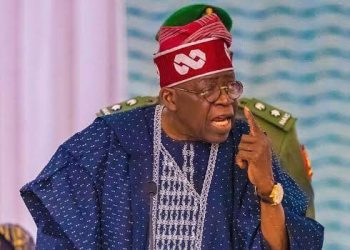
The APC figure further highlighted that several economic reforms introduced by President Bola Ahmed Tinubu’s administration have begun yielding positive results, and he urged that these gains be clearly communicated to Nigerians to foster understanding and appreciation. According to him, properly packaging and showcasing the benefits of reforms will help counteract misinformation and build confidence in government initiatives.
Analysts say the call for increased sensitisation reflects growing concerns among politicians and civil society that the rollout of complex policy reforms without adequate public engagement can lead to misperceptions, unnecessary public anxiety and resistance to change. They note that tax reforms, in particular, tend to evoke strong reactions when the populace feels uninformed or excluded from the conversation.
Oyintiloye’s appeal underscores the critical role of communication in governance, especially in the context of significant economic policy shifts. As debates around the new tax laws continue, government efforts to enhance public understanding may be crucial in ensuring smoother implementation and broader acceptance across Nigerian society