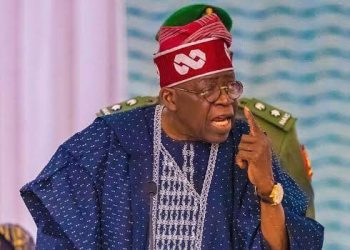
A former Deputy Governor of the Central Bank of Nigeria (CBN), Dr. Tunde Lemo, has stated that the difficult economic reforms introduced by President Bola Ahmed Tinubu prevented Nigeria from sliding into a full-blown financial collapse, describing the measures as necessary steps to stabilise the economy and lay the groundwork for future growth.
Speaking on Frontline, a current affairs programme on Eagle 102.5 FM in Ilese Ijebu, Lemo said that while the reforms introduced by the Tinubu administration were painful for many Nigerians, they were crucial for averting an economic crisis that could have crippled the nation’s finances. He noted that without the bold policy decisions taken since Tinubu assumed office, Nigeria’s economic prospects would have been far more precarious.
Lemo highlighted improvements in key macroeconomic indicators as evidence that the reform agenda is beginning to yield results. He pointed to declining inflation rates, increased stability in the foreign exchange market and a reduction in acute food shortages as signs that the economy is gradually stabilising. According to him, December 2025 marked a turning point when long queues for food and essential commodities became less common, and prices started showing signs of easing compared with the previous year.
“A transition like this will inevitably be tough, but we are now beginning to see light at the end of the tunnel,” Lemo said, stressing that Nigeria’s resilience has helped it weather significant economic turbulence. He acknowledged that many households and businesses continue to face hardship but argued that the alternative — maintaining unsustainable subsidies and fiscal practices — would have led to deeper instability.
One of the most contentious reforms was the removal of the fuel subsidy, a policy that sparked widespread debate and led to sharp increases in pump prices. Lemo defended the decision, saying that ending the subsidy brought more products into circulation and reduced the artificial scarcity that had long characterised fuel markets. He said the policy ultimately helped improve supply and eased pressure on consumers.
Lemo also addressed concerns about the new tax regime, stressing the importance of taxation in funding government operations and reducing dependence on borrowing. He noted that small traders with annual turnovers below N100 million are exempt from paying tax, a provision intended to protect low-income earners while broadening the tax base.
“You need taxes to fund essential services and reduce excessive borrowing,” Lemo said. He warned that overreliance on debt and central bank financing can fuel inflation and undermine long-term economic health.
Analysts say Lemo’s comments reflect broader discussions among economists and policymakers about the necessity of structural reforms — even when they impose short-term pain — to address long-standing economic distortions. External data suggest that some of Tinubu’s policy changes, including exchange rate liberalisation and fuel subsidy removal, were aligned with recommendations from international financial institutions to stabilise economies facing fiscal stress.
However, critics argue that those same reforms have contributed to higher living costs and hardship for average Nigerians, emphasizing the need for stronger social safety nets to cushion vulnerable populations. Independent reports indicate that while inflation has shown signs of easing, it remains elevated, and many households still struggle with the cost of basic goods and services.
Still, supporters of the reform agenda point out that without decisive action, Nigeria’s economic fundamentals could have deteriorated further, leading to deeper stagnation or collapse. Lemo’s remarks underscore the belief among some policymakers that difficult policy choices were necessary to reset the nation’s economic trajectory and create a foundation for sustainable recovery