


President Bola Tinubu has forwarded 65 ambassadorial nominees to the Senate for confirmation in what has become one of the largest diplomatic shake-ups of his administration. The list, which contains 34 career diplomats and 31 non-career nominees, was read on the Senate floor by Senate President Godswill Akpabio after it arrived from the Presidency.
The move comes as Nigeria seeks to re-energise its foreign missions following months of vacancies created after the recall of previous envoys. Many of the country’s 109 foreign missions have been operating at minimal capacity, with chargés d’affaires overseeing affairs pending fresh appointments.
The new list reflects both political considerations and professional placements. Among the career diplomats are experienced foreign-service officers such as Sulu-Gambari Olatunji Ahmed, Ahmed Mohammed Monguno and Maimuna Ibrahim, all of whom have served in various international postings. The non-career category features prominent names, including former lawmakers, ex-military chiefs and influential political figures drawn from across the 36 states.
The Senate immediately referred the list to the Committee on Foreign Affairs, which has been directed to conduct screenings and submit its report within one week. The committee, chaired by Senator Sani Bello, is expected to begin marathon sessions as nominees prepare documentation and responses to key diplomatic questions.
However, the screening is not expected to be a walkover. Several lawmakers have already hinted that the chamber will adopt what they called a “strict, merit-based assessment” in order to ensure that only qualified individuals are endorsed. Some senators warned that ambassadorial appointments are “too sensitive” to be treated as political compensation, stressing that Nigeria’s international image and strategic interests must be prioritised.
Ahead of the examination of the new list, the Senate had earlier screened three nominees—Kayode Are, Aminu Dalhatu and Ayodele Oke—who were forwarded separately before the larger batch. Their sessions underscored the tone of what analysts believe will be a demanding process for the remaining 65.
The diplomatic overhaul also comes amid pressure on the government to restore full operations at foreign missions and improve consular services for Nigerians abroad. The Federal Government had earlier cited funding constraints and ongoing mission renovations as reasons for the prolonged delay in reconstituting Nigeria’s diplomatic corps. Billions of naira were allocated in the budget for the refurbishment of missions, but most remain underfunded and overstretched.
The new nominations have stirred public debate, with some critics questioning the inclusion of politically exposed figures and retired security chiefs. Others argue that the blend of career and non-career nominees is consistent with past practice and does not violate diplomatic norms. Still, opposition leaders have urged the Senate to ensure that only candidates with proven competence, integrity and international awareness are approved.
As the Foreign Affairs Committee begins its work, foreign policy experts say the outcome of the screening will play a significant role in shaping Nigeria’s global presence in the coming years. Strong, credible envoys—analysts note—will be essential as the country navigates economic diplomacy, security partnerships, trade negotiations and geopolitical challenges.
For now, all eyes remain on the Senate, where the nominees will soon face rigorous questioning as they attempt to secure confirmation and represent Nigeria on the world stage.

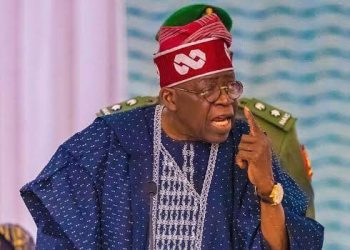
Tinubu says opposition without clear vision won’t be allowed to take Nigeria backward in 2027
President Bola Tinubu, speaking on Sunday, urged Nigerians to act carefully in choosing their leaders, cautioning against handing power to...

**back biome official**
Mitolyn is a carefully developed, plant-based formula created to help support metabolic efficiency and encourage healthy, lasting weight management.