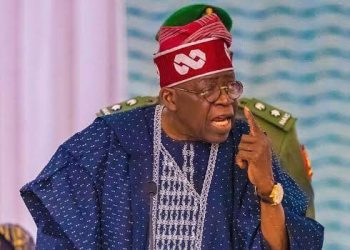


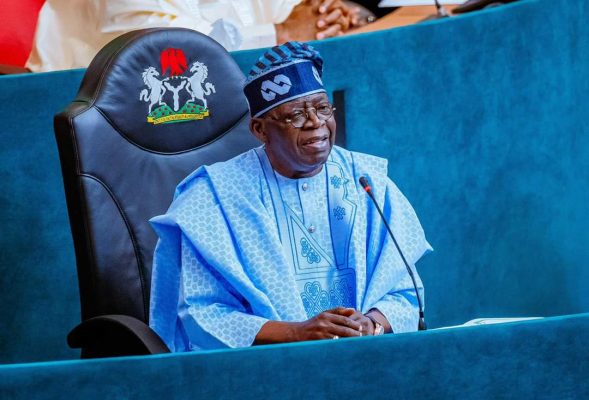
President Bola Tinubu has forwarded his first batch of ambassadorial nominees to the Senate—more than two years after assuming office and over a year after recalling all diplomats appointed by former President Muhammadu Buhari.
The announcement was made by Senate President Godswill Akpabio during plenary on Wednesday, following the reading of a letter signed by President Tinubu.
The three non-career nominees are:
•Kayode Are (Ogun State)
•Aminu Dalhatu (Jigawa State)
•Ayodele Oke
Akpabio noted that more names would be transmitted later, adding that the nominations comply with Section 171 (1), (2)(c) and (4) of the 1999 Constitution (as amended).
Tinubu had recalled all Nigerian ambassadors on September 2, 2023, but replacements were not made until now—an unusual diplomatic gap that drew increasing public scrutiny.
Diplomatic Concerns Heighten After Trump’s “Country of Particular Concern” Label
The delay in appointing ambassadors generated renewed criticism recently after U.S. President Donald Trump designated Nigeria a “Country of Particular Concern” over alleged killings of Christians.
Trump repeatedly accused Nigeria of allowing “Christian genocide” and even threatened the possibility of U.S. military intervention. His remarks triggered anger across Nigeria, with many citizens arguing that both Christians and Muslims have long been victims of terrorism across the country.
The strain worsened when security incidents—including killings and abductions of schoolchildren and worshippers—intensified, while observers noted that Nigeria lacked a senior diplomatic representative in Washington to engage U.S. authorities or counter Trump’s claims.
To address the growing tension, National Security Adviser Nuhu Ribadu led a high-level government delegation to the United States to present Nigeria’s official position and manage the diplomatic fallout.
Tinubu’s submission of ambassadorial nominees is expected to restart the process of rebuilding the country’s foreign missions at a time when international engagement has become increasingly critical