

Israeli forces have detained Swedish climate activist Greta Thunberg and other passengers after intercepting a fleet of Gaza-bound aid ships, sparking widespread protests and diplomatic condemnation. The vessels were part of the Global Sumud Flotilla (GSF), a coalition of more than 500 activists from dozens of countries attempting to deliver humanitarian aid and challenge Israel’s 18-year blockade of Gaza.
According to GSF, more than 40 vessels had joined the effort, with ships setting sail from Barcelona and other Mediterranean ports. As of Thursday morning, 23 boats remained at sea, while 21 had already been intercepted by Israel. Organizers condemned the operation as an “illegal attack” on unarmed humanitarians, while Israel claimed the mission was a political provocation, not a humanitarian effort.
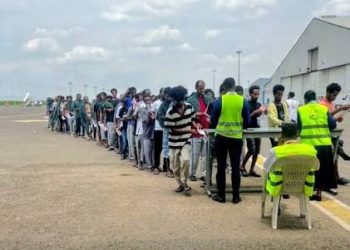
The first vessels were intercepted Wednesday evening about 70 nautical miles off Gaza’s coast. GSF accused Israel of ramming one ship and targeting two others with water cannons, though no serious injuries were reported. Videos posted online appeared to show the vessel Yulara being struck with water cannons. Israel later confirmed that the ships had been “safely stopped” and that passengers, including Thunberg, would be deported. “Greta and her friends are safe and healthy,” the Israeli foreign ministry said in a statement.
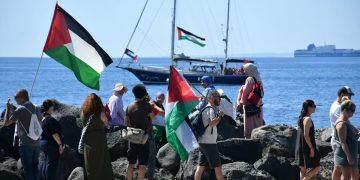
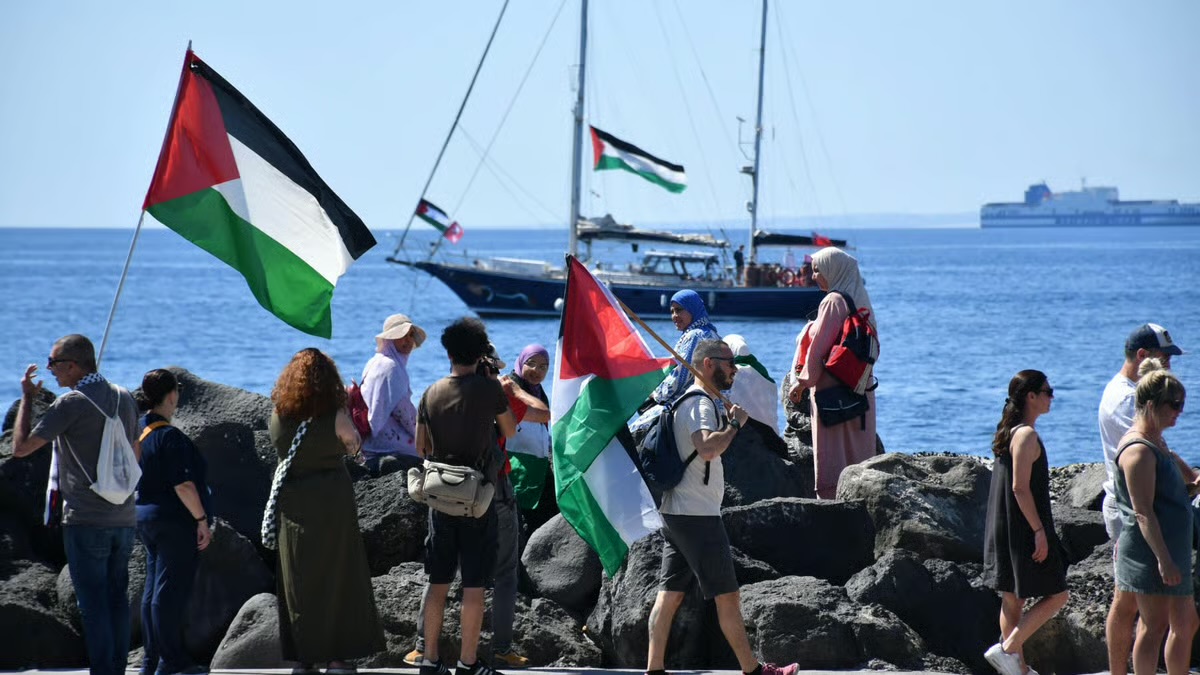
The interception drew immediate international backlash. Protesters rallied in Italy, Turkey, Greece, Tunisia, and Argentina, while leaders from Colombia, Turkey, and France condemned Israel’s actions. Colombian President Gustavo Petro called the operation an “international crime” and announced the expulsion of Israeli diplomats, as well as the termination of Colombia’s free trade agreement with Israel. Turkey described the interception as “terrorism,” while Hamas labeled it “piracy.”
The timing of the flotilla’s interception coincided with the unveiling of a new U.S.-backed peace proposal for Gaza by President Donald Trump and Israeli Prime Minister Benjamin Netanyahu in Washington. Critics argued that the crackdown highlighted the worsening humanitarian crisis in Gaza, where famine and mass displacement continue nearly two years into the war.
GSF said its mission was not only to deliver humanitarian aid but also to serve as a direct action campaign against what it described as Israel’s “illegal siege.” Participants included lawmakers from Spain and Italy, medical professionals, and activists such as Thunberg, who had already been deported once in June after attempting a similar voyage.
Israel maintained that it had repeatedly offered alternative routes for aid deliveries, including via the Israeli port of Ashkelon, but flotilla organizers rejected this, insisting the supplies must reach civilians in Gaza without Israeli control. Israel also alleged that the flotilla was influenced by Hamas, claims organizers dismissed as propaganda.
This latest confrontation follows a series of previous attempts to breach Israel’s naval blockade. In recent months, GSF claimed its ships were harassed by drones, while earlier flotillas were intercepted or attacked. The most infamous incident occurred in 2010 when Israeli forces killed nine Turkish activists during a raid on another aid flotilla, sparking global outrage.
For now, Thunberg and the detained activists face deportation, while the flotilla’s remaining vessels continue their course, keeping global attention fixed on Gaza’s worsening plight.