Chelsea Metzger never intended to disguise her nationality. But during a trip to the Dominican Republic earlier this year, the 33-year-old tourist from upstate New York found herself, for the first time, pretending to be Canadian.
The shift began after a tense encounter at a French-Canadian bar in El Pueblito, where Metzger and her fiancé were watching the final of the 4 Nations Face-Off hockey tournament. When she cheered for the U.S. team, a Canadian couple erupted, accusing America of selfishness and harming the world. Emotions ran high, and alcohol didn’t help. The situation eventually cooled, with the couple apologizing and offering a round of drinks, but the hostility lingered.
A second incident sealed her decision. When a local taxi driver mistook her for Canadian, she corrected him, only for him to refuse the fare. Frustrated, she began introducing herself as Canadian for the remainder of her vacation.
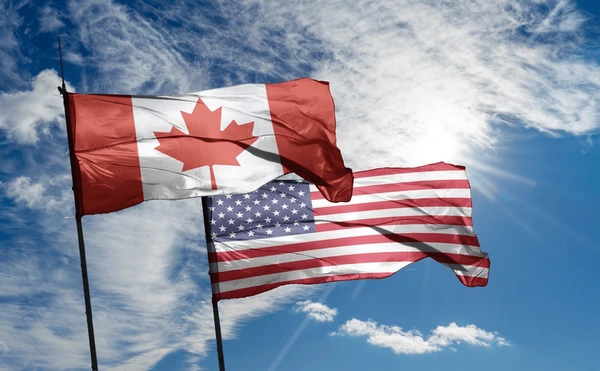
This act, known as “flag jacking,” is not new. In the early 2000s, many Americans posed as Canadians while traveling abroad to avoid hostility linked to U.S. foreign policy. Today, amid the Trump administration’s tariffs, threats toward Canada, and repeated insults aimed at Canadian leaders, the practice has resurfaced. Americans have been seen falsely claiming Canadian nationality or sewing maple leaf flags on their bags to deflect criticism.
But this time, Canadians are pushing back.
Cultural commentator Tod Maffin, in a viral video that has racked up over 100,000 views, lambasted Americans for using Canada as a “backup passport” or a shield from global resentment. He argued that pretending to be Canadian is not a safety measure but a form of performance art, one that insults Canada’s national identity. Even sympathetic Americans, he noted, are not excused simply because they claim to oppose Trump’s politics.
“Canada is not a costume shop,” Maffin said bluntly, dismissing the idea of adopting the maple leaf as a convenient cover.
Underlying the anger is a surge of Canadian nationalism, fueled by Trump’s antagonistic policies and rhetoric. From booing the U.S. anthem at sports events to boycotting American goods, Canadians are doubling down on their identity, often defining it by what it is not. Prime Minister Justin Trudeau captured the sentiment earlier this year, remarking, “One of the ways we define ourselves most easily is, ‘Well, we’re not American.’”
For many Canadians, Americans adopting their flag feels like cultural theft. Online critics call it arrogant, cowardly, and disrespectful. They argue that it cheapens Canada’s goodwill abroad, particularly in countries where Canadian contributions,such as liberating the Netherlands in World War II , still inspire respect.
The irony, Canadians note, is stark: while Americans often tout their country’s global exceptionalism, some are now hiding behind another nation’s symbol to escape the consequences of their government’s actions.
The tactic is hardly new,backpackers in Europe during the Iraq War often passed as Canadians, even referenced in a 2005 episode of The Simpsons. But today, with political polarization at home and strained cross-border relations, the revival of “flag jacking” has struck a raw nerve in Canada.
In short, what some Americans dismiss as harmless travel strategy feels, to Canadians, like a mockery of their identity, and a reminder that their flag is not a disguise, but a symbol of pride.