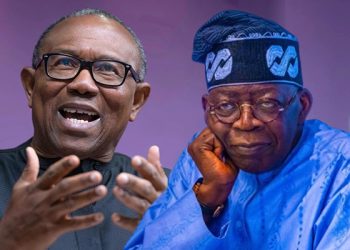


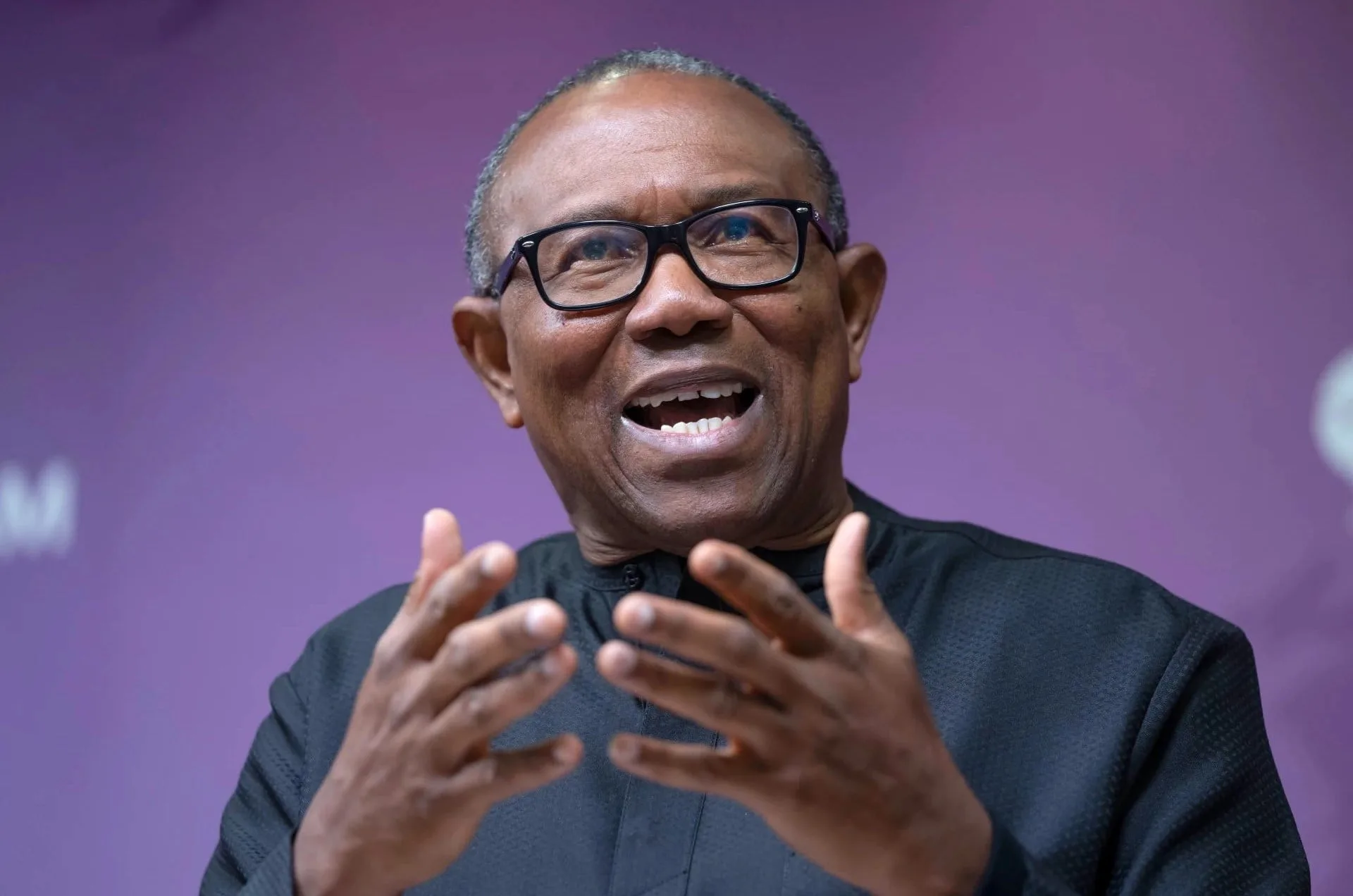
Former Labour Party presidential candidate, Peter Obi, has appealed to political actors in Rivers State to reflect on the recent six-month emergency rule and embrace peace as the state transitions back to normal governance.
Obi, who served as governor of Anambra State, made the call on Thursday via his official X handle. He described the declaration of emergency rule as a constitutional breach that shook Nigeria’s democracy and should never have been allowed to happen. According to him, the suspension of Governor Siminalayi Fubara and his deputy, Ngozi Odu, alongside the appointment of retired Vice Admiral Ibok-Ete Ibas as sole administrator, exposed the dangers of unchecked political rivalry and power tussles.
President Bola Tinubu had invoked emergency powers under Section 305 of the 1999 Constitution on March 18, 2025, citing escalating political tensions in Rivers. The fierce conflict between Fubara and his predecessor, Nyesom Wike now Minister of the Federal Capital Territory, had led to deep divisions, mass defections in the state House of Assembly, and the collapse of legislative order. Accusations of corruption and sabotage further paralyzed governance, prompting federal intervention.
Tinubu suspended the emergency rule in September after intelligence reports suggested improved cooperation and a “new spirit of understanding” among political stakeholders. While many, including the Pan-Niger Delta Forum (PANDEF), commended the President’s action, Obi maintained that the declaration itself contradicted constitutional principles. He noted that emergency powers should be reserved strictly for grave threats to national security or public safety, not political infighting.
“The Rivers impasse offers lessons that should not be ignored,” Obi said. “Great minds remind us that the only real mistake is the one from which we learn nothing. A true leader is one who admits mistakes, learns from them, and has the strength to correct them.”
Obi commended the resilience of Rivers residents throughout the crisis, acknowledging their endurance in the face of provocation and uncertainty. He urged Governor Fubara, lawmakers, and all political leaders in the state to put aside their rivalries, reconcile, and prioritize the well-being of citizens over personal interests.
He added: “The real mistake is the one where we end up learning nothing. Be assured that a new Nigeria is possible and inevitable.”
The Rivers crisis is widely regarded as one of the most disruptive political battles in recent Nigerian history. Once allies, Fubara and Wike became bitter rivals after the 2023 elections, with the dispute quickly escalating into a standoff that crippled state institutions. The dissolution of the House of Assembly and widespread allegations of corruption worsened the turmoil, leaving Rivers citizens caught in the middle of a prolonged power struggle.
Obi’s intervention highlights the broader implications for Nigeria’s democracy. His emphasis on humility, accountability, and dialogue offers a roadmap for avoiding similar crises in the future. As Rivers resumes normal governance, his call for peace and reflection serves as a timely reminder that political ambition must never overshadow constitutional order and the collective good.