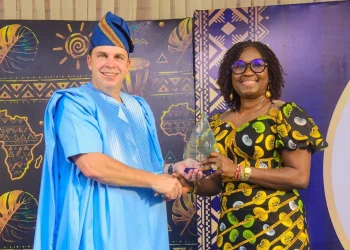
The Director of News at Arise Television, Sumner Sambo, has questioned Peter Obi’s ability to provide the leadership needed for the Obidient Movement, arguing that the support base has grown beyond the direct control of any individual. He made the remarks while commenting on recent developments within the movement and the evolving political landscape ahead of the 2027 general elections.
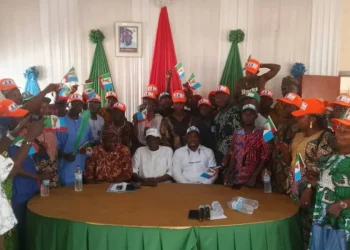
According to Sambo, the Obidient Movement has transformed into a broad grassroots political force with supporters from different backgrounds and interests, making it difficult for any single person to fully direct its activities. He likened the movement to other citizen-driven campaigns that gained momentum independently of formal political structures.
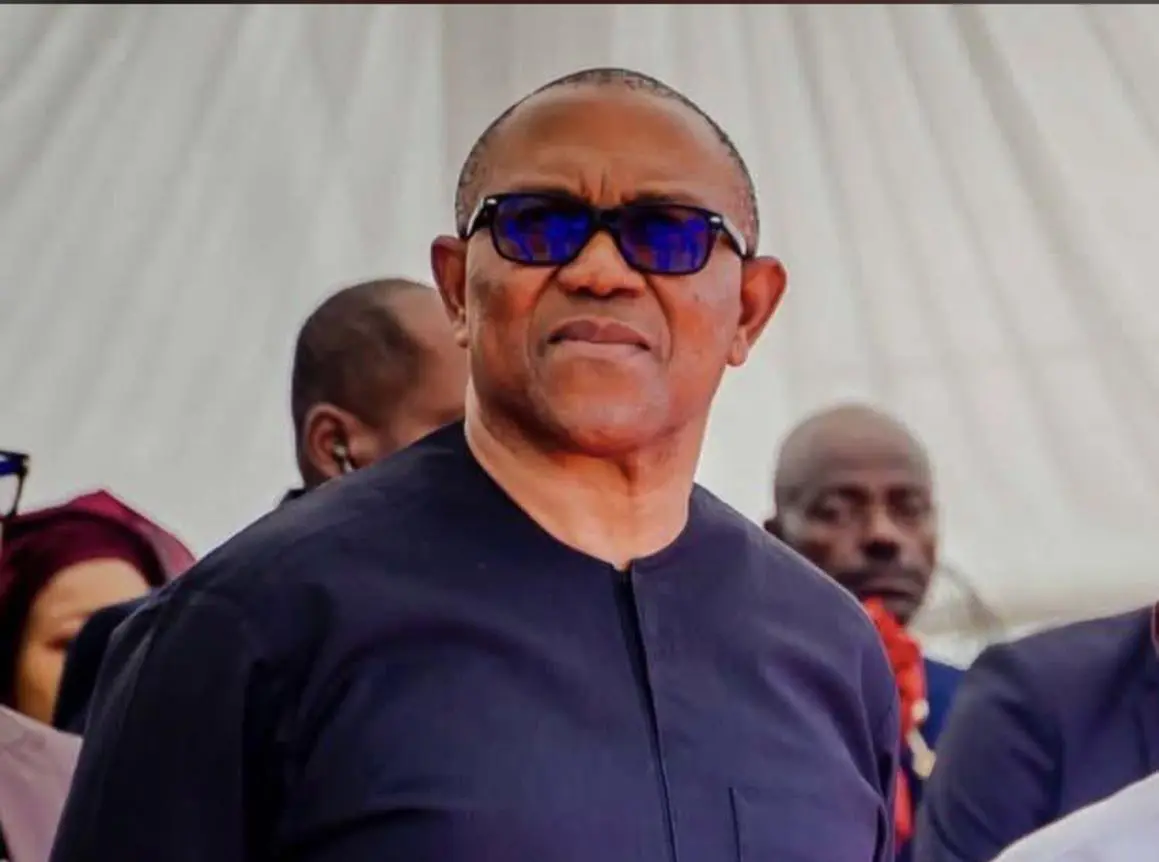
Sambo argued that although Peter Obi remains the movement’s most recognised political figure, its continued growth requires broader coordination and leadership capable of managing its expanding membership and diverse opinions. He noted that sustaining unity within such a movement would require inclusive engagement with supporters across the country.
The media executive’s comments come amid ongoing debates over the future of the Obidient Movement following Obi’s political realignments and preparations by opposition parties for the 2027 presidential election. The movement, which gained national prominence during the 2023 election cycle, continues to play a significant role in Nigeria’s opposition politics.
Supporters of Peter Obi have maintained that the former Anambra State governor remains the symbol of the movement and continues to enjoy widespread backing among its members. They insist that the movement remains focused on promoting good governance, accountability and political reforms ahead of the next general election.
Political analysts say differing opinions over the direction and leadership of the Obidient Movement reflect the growing political competition ahead of 2027. They note that as parties intensify consultations and coalition talks, discussions about leadership and mobilisation are expected to remain central to Nigeria’s political discourse.
Observers have also called on political actors to engage in issue-based campaigns centred on governance, economic recovery and national development rather than personal attacks. They argue that constructive political engagement will strengthen democratic participation and provide voters with clear policy alternatives.
As preparations for the 2027 elections gather pace, the Obidient Movement is expected to remain a key force within the opposition, while debates over its organisation and leadership continue to attract attention from political stakeholders and the public alike.