

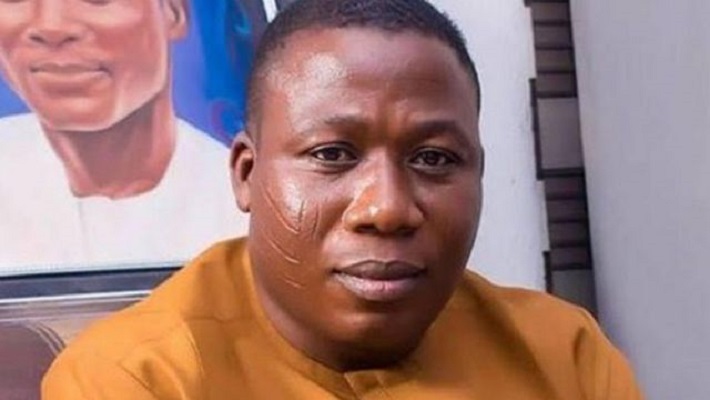
Yoruba Nation activist, Sunday Adeyemo, popularly known as Sunday Igboho, has stirred fresh political debate after warning opposition politicians not to campaign in Nigeria’s South-West ahead of the 2027 presidential election.
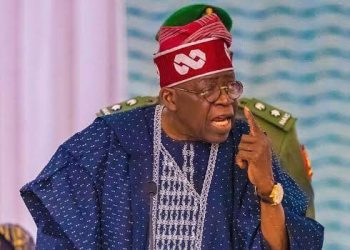
In a video that has been widely shared on social media, the outspoken activist openly declared his support for President Bola Ahmed Tinubu and insisted that the South-West region remains firmly behind the president.
Igboho specifically mentioned former Vice President Atiku Abubakar and Labour Party’s 2023 presidential candidate, Peter Obi, cautioning their supporters against bringing campaign activities into the predominantly Yoruba region.
According to him, the South-West should continue to support Tinubu’s leadership and political influence, stressing that the president deserves the backing of people from his home region.
The activist argued that Tinubu has played significant roles in the political development of the South-West over the years, adding that many people in the region still hold him in high regard.
While speaking in the viral clip, Igboho maintained that those planning to mobilize support for other presidential aspirants in the South-West would face resistance from loyalists who believe the region should stand behind Tinubu.
He further expressed confidence that the president would secure a second term in office during the 2027 election, saying that many political stakeholders in the region remain committed to ensuring his victory at the polls.
Igboho also made a controversial remark suggesting that after a possible second term, supporters might even push for Tinubu to remain in power beyond the constitutional limit. The statement has since triggered reactions from political observers and members of the public who note that Nigeria’s constitution currently allows a maximum of two terms for a president.
The comments have generated mixed reactions across social media platforms. While some supporters of the activist agreed with his stance, others criticized the suggestion of extending presidential tenure beyond constitutional provisions.
Political analysts say statements like these highlight the growing intensity of political conversations ahead of the 2027 general election. Although the election is still some time away, various political figures and interest groups have begun positioning themselves for the next presidential contest.
Igboho’s remarks have also drawn attention because of his influence among some youth groups and supporters of the Yoruba self-determination movement.
The activist recently returned to Nigeria after spending several years outside the country following legal and security challenges that forced him into exile in 2021. His return has renewed his presence in public discourse, especially on matters relating to politics and regional interests.
Observers note that as political activities gradually begin to build towards the next general election, statements from influential figures are likely to continue shaping public debate across the country.
For now, Igboho’s comments have added another layer to the ongoing discussions surrounding the future of Nigeria’s political landscape and the alignments that could define the 2027 presidential race.