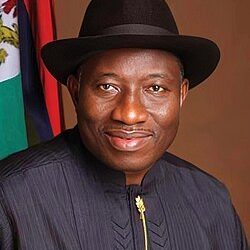



President Bola Ahmed Tinubu has approved a 15 percent import duty on petrol and diesel imports, a major fiscal policy shift aimed at boosting government revenue, supporting local refining, and stabilising the downstream petroleum sector.
The new directive, contained in a presidential memo dated October 21, 2025, was communicated to the Federal Inland Revenue Service (FIRS) and the Nigerian Midstream and Downstream Petroleum Regulatory Authority (NMDPRA) for immediate implementation.
Under the new policy, importers of refined petrol and diesel will pay a 15 percent duty on the Cost, Insurance, and Freight (CIF) value of their cargoes. The government says the decision is intended to align fuel import costs with domestic economic realities and reduce the country’s dependence on imported petroleum products.
Economic analysts note that the measure is likely to influence pump prices, with potential marginal increases depending on foreign exchange rates and market dynamics. However, officials believe the long-term benefits — including improved fiscal stability and support for local refineries — outweigh any short-term adjustments.
The policy comes amid renewed efforts to revitalise Nigeria’s refining capacity. The Nigerian National Petroleum Company Limited (NNPCL) has confirmed that it is conducting a comprehensive review of its three major refineries — Port Harcourt, Warri, and Kaduna — to restore full operations and reduce import reliance.
According to company officials, partnerships and technical collaborations are being explored to optimise refinery performance and ensure that locally refined products can meet national demand.
Despite decades of turnaround maintenance projects and huge investments, Nigeria’s refineries have struggled to operate efficiently, forcing the country to rely heavily on fuel imports. The introduction of import duties is therefore seen as part of a broader economic strategy to incentivise local production and discourage over-dependence on foreign-sourced products.
Government sources also disclosed that the move aligns with ongoing fiscal reforms under the Renewed Hope Agenda, aimed at strengthening non-oil revenue generation, stabilising the exchange rate, and improving transparency in the energy market.
Supporters of the policy argue that it will create a more level playing field for domestic refiners, particularly as the Dangote Refinery and other modular plants scale up operations. They also believe it will reduce capital flight and help conserve Nigeria’s foreign reserves.
However, some industry stakeholders have expressed concern about the potential short-term impact on fuel prices and consumer welfare. They caution that while the long-term benefits are clear, effective monitoring and communication will be key to maintaining public confidence.
With Nigeria spending trillions of naira annually on fuel imports, the new policy is expected to shift attention toward sustainable energy security and industrial competitiveness. The federal government has assured that it remains committed to balancing fiscal prudence with social protection as the economy adjusts to global and domestic realities.