

The People’s Democratic Party (PDP) has officially zoned its 2027 presidential ticket to the South, reshaping the race and elevating three major contenders: former President Goodluck Jonathan, former Anambra Governor Peter Obi, and Oyo State Governor Seyi Makinde.
This zoning move has sidelined Northern aspirants, redirecting national attention to Southern hopefuls while stirring discussions around potential Northern running mates to balance the ticket.
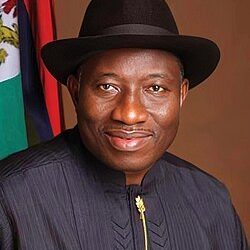
Goodluck Jonathan remains a respected figure within the PDP. His decision to concede defeat in 2015 is widely regarded as a defining moment for Nigerian democracy. Within the party, he’s seen as a neutral elder who could unify factions.
However, critics argue he symbolizes the past. Nearing 70, his candidacy could undermine youth-driven calls for generational change. His historical weakness in Northern Nigeria and potential rehashing of criticisms around corruption and insecurity during his tenure also pose significant hurdles.
Jonathan’s route to the ticket likely depends on elite consensus rather than grassroots momentum.
Peter Obi, who left the PDP for the Labour Party in 2022, ran a landmark campaign in 2023 that electrified Nigeria’s youth and urban middle class. The “Obidient” movement made significant inroads, particularly in the South-East, Lagos, Abuja, and parts of the North-Central.
Obi’s clean image and appeal to professionals and the diaspora position him as the PDP’s most electable figure. Yet his defection left a sour taste among party loyalists. His Northern support remains limited, and many PDP powerbrokers remain cautious about his disruptive political style.
A return to the PDP would require significant bridge-building with wary governors and internal stakeholders.
Governor Seyi Makinde of Oyo State offers a middle ground,youthful, loyal, and technocratic. He stands out in the South-West, where the APC remains dominant, and his 2023 re-election reinforced his local strength.
Party insiders reportedly view Makinde as a steady hand. With the PDP convention expected to be held in Ibadan and micro-zoning favoring the South-West, his chances look strong.
Still, Makinde faces a name recognition challenge beyond the region and internal opposition from rivals like Nyesom Wike.
Though not seen as a frontrunner, Gbenga Olawepo-Hashim holds symbolic weight. His ideological consistency and loyalty offer a contrast to the party’s turbulent recent history. While unlikely to secure the nomination, his influence may matter in key negotiations.
With the presidential ticket headed South, PDP leaders are now weighing Northern vice-presidential options. The goal: secure a balanced ticket that can bridge regional divides and solidify national appeal.
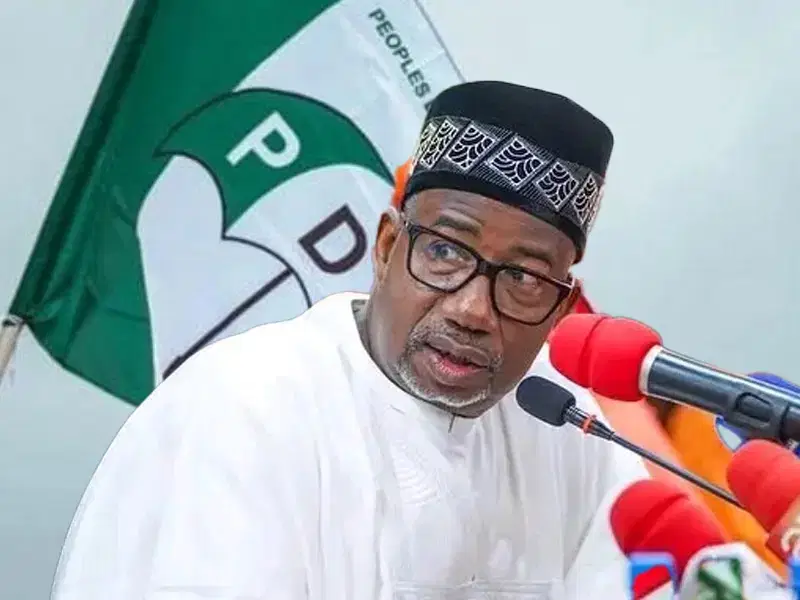
Bala Mohammed, Bauchi State governor and PDP Governors’ Forum chair, emerges as a top contender. His loyalty and northern gravitas make him a stabilizing choice, especially for Jonathan or Makinde.
Ibrahim Dankwambo, former Gombe governor and current senator, also offers technocratic credibility and a clean record.
Aminu Tambuwal, former Sokoto governor and ex-House Speaker, could complement Obi’s ticket, offering Northern grassroots strength and political finesse if he recommits fully to the PDP.
Olawepo-Hashim remains a wildcard pick his North-Central origin and party loyalty could appeal to factions looking for compromise and symbolic unity.
As the PDP positions itself for 2027, the choice between consensus, popularity, and continuity looms large. The eventual ticket both presidential and vice-presidential will determine whether the party can present a united front capable of challenging the APC and President Bola Ahmed Tinubu.
With Northern running mates like Bala Mohammed and Dankwambo in the mix, and Southern contenders offering sharply divergent appeals, the PDP faces a defining moment in its quest to reclaim national leadership.