

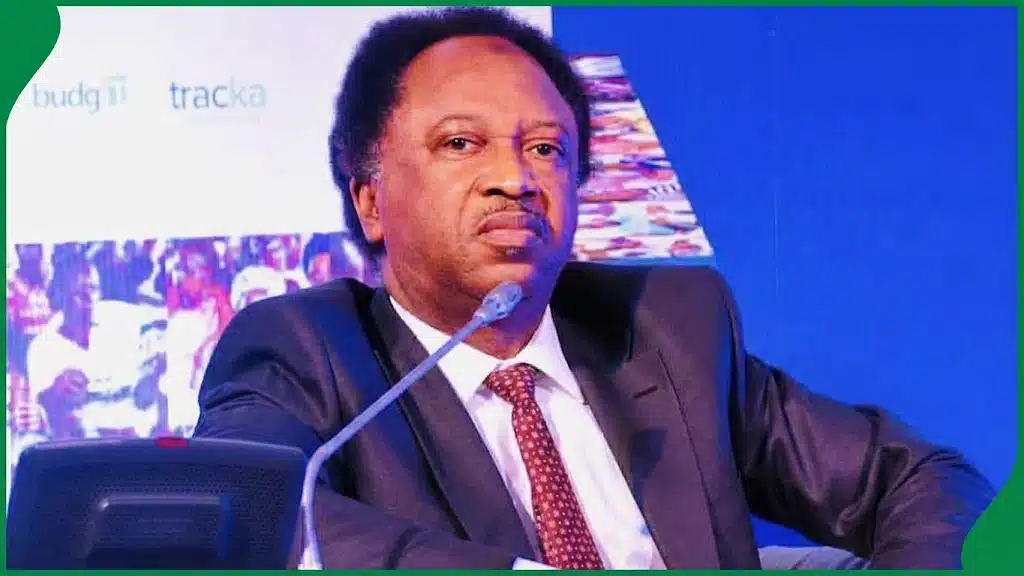
Former Kaduna Central Senator, Shehu Sani, has linked the continued detention of ex-Kaduna State Governor, Nasir El-Rufai, to what he described as the former governor’s conduct while occupying public office.
Sani alleged that El-Rufai’s administration subjected several individuals to arrest and prolonged detention during his eight years in government.
The former lawmaker made the remarks during an appearance on Channels Television’s Politics Today on Friday, where he discussed El-Rufai’s current situation and controversies surrounding his tenure as Kaduna governor.
According to Sani, political office should be regarded as temporary and used with the awareness that those who exercise power may eventually leave office and become subject to the same institutions and processes they once controlled.
He argued that El-Rufai’s present circumstances should be viewed against his record in government, alleging that the former governor was now experiencing consequences arising from decisions taken during his tenure.
Sani also addressed reports that El-Rufai had lost some relationships and political support since his detention began. He described such developments as a possible consequence of being removed from the centre of political activities.
Drawing from his own experience of spending more than four years in detention during his pro-democracy activism, Sani said he understood the hardship associated with imprisonment and could speak from personal experience about its difficulties.
He nevertheless maintained that people who leave positions of authority can experience changes in their relationships and political networks because they are no longer able to exercise the influence they once had.
The former senator further criticised the El-Rufai administration, which governed Kaduna State from 2015 to 2023. He accused the government of poor administration, questionable leadership and allegedly using government institutions against political opponents.
Sani also weighed in on recent comments by Defence Minister Christopher Musa regarding the treatment of communities in Southern Kaduna during El-Rufai’s tenure.
He argued that many people discussing the issue lacked firsthand knowledge of the affected communities and specifically mentioned areas including Sanga, Kauru and Kachia.
According to him, insecurity had affected parts of Southern and Central Kaduna for years, and he questioned whether the former administration provided adequate assistance to security agencies confronting the crisis.
Sani also challenged the effectiveness of the security approach adopted by the El-Rufai government, arguing that the scale of bloodshed recorded during the period raised questions about the measures put in place to protect residents.
The former lawmaker further criticised what he described as inconsistencies in El-Rufai’s position on banditry.
He referred to reports of alleged negotiations between the Kaduna State Government and bandits during El-Rufai’s tenure, arguing that such reports conflicted with some of the positions attributed to the former governor.
Sani also cited the case of journalist Binyat, who he said was arrested after reporting allegations concerning payments allegedly made to bandits by the Kaduna State Government.
He claimed that El-Rufai had previously acknowledged that authorities paid bandits not to carry out killings.
The allegations concerning payments to bandits have been disputed. El-Rufai’s legal representatives have previously denied claims that the former governor paid bandits, maintaining that he opposed negotiating with or funding criminal groups.
El-Rufai remains involved in ongoing legal proceedings, including a case before the Federal High Court in Abuja concerning alleged interception of telephone communications. The court is expected to rule on his no-case submission on October 26, 2026.