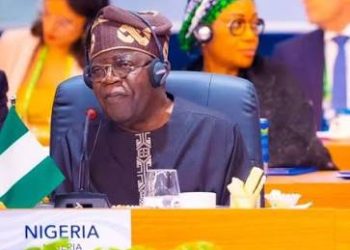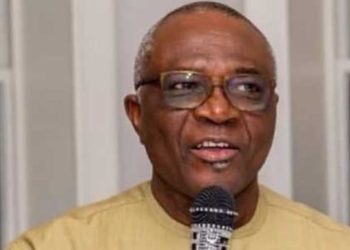



Presidential candidate of the Social Democratic Party (SDP), Adewole Adebayo, has warned that the price of petrol could rise significantly under President Bola Ahmed Tinubu if current economic policies continue.
Adebayo made the statement while commenting on the state of Nigeria’s economy and the impact of government policies on citizens.
According to him, Nigerians could face substantially higher fuel prices, potentially reaching ₦5,000 per litre, if the government fails to address what he described as structural problems affecting the economy.
The SDP presidential candidate’s warning comes amid continued public debate over petrol prices, economic reforms and the rising cost of living in Nigeria.
Since assuming office, the Tinubu administration has implemented major economic reforms, including the removal of petrol subsidy and changes to the foreign exchange system. The government has consistently defended the reforms as necessary measures to strengthen the economy and create conditions for long-term growth.
However, the reforms have also attracted criticism from opposition politicians and other stakeholders who argue that they have increased financial pressure on households and businesses.
Adebayo has been critical of the administration’s economic direction and has used the rising cost of living to question the effectiveness of its policies.
His latest warning comes as political parties and presidential aspirants intensify preparations for the 2027 general elections. Economic management, fuel prices, inflation and household purchasing power are expected to remain major issues in the political debate.
The SDP candidate’s comments also reflect a broader disagreement among political actors over how Nigeria should manage its energy sector and reduce the impact of fuel costs on citizens.
The government has maintained that its economic reforms are intended to address longstanding distortions and reduce dependence on costly interventions. Officials have also pointed to measures aimed at strengthening domestic refining capacity and improving energy supply.
Meanwhile, Nigerians continue to monitor developments in the downstream petroleum sector, particularly the relationship between crude oil prices, exchange rates, local refining and pump prices.
Adebayo’s projection of a possible ₦5,000 per litre petrol price represents his assessment of the potential direction of the market under the current administration. It is not a confirmed government price projection.
With the 2027 election approaching, opposition candidates are expected to continue scrutinising the administration’s economic record, while the government and its supporters are likely to defend the reforms and highlight their intended long-term benefits.
The debate over petrol prices is therefore expected to remain an important part of Nigeria’s political and economic discourse as parties and candidates present competing approaches to addressing the country’s cost-of-living challenges.