ABUJA — A fresh political disagreement has emerged between FCT Minister Nyesom Wike and two prominent APC governors, Hope Uzodimma of Imo State and Abdulrahman Abdulrazaq of Kwara State.
Wike accused both governors of failing to appreciate the political assistance he claimed to have rendered to them at different points in their careers.
Speaking during a media parley in Port Harcourt, Rivers State, the former Rivers governor also revisited the 2023 presidential election, explaining how he and his allies allegedly worked to stop Atiku Abubakar from winning the poll.
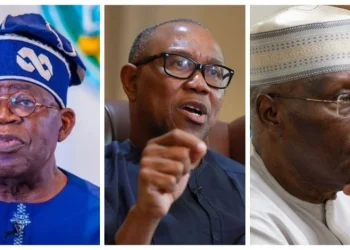
Wike said he remains firmly behind President Bola Tinubu and would do everything within his political capacity to prevent Atiku or Peter Obi from taking over the presidency in 2027.
The minister said his disagreement with Abdulrazaq was not new, alleging that the Kwara governor had repeatedly worked against him politically.
He disclosed that he had confronted Abdulrazaq over accusations that he was backing politicians challenging the governor’s preferred candidates.
Wike argued that Abdulrazaq should remember the support he received when political figures who were unhappy with the APC moved into the PDP instead of joining forces with groups opposed to Tinubu.
He equally expressed disappointment with Uzodimma, recalling that he had supported the Imo governor in the past but claimed that the favour was not returned when the situation was reversed.
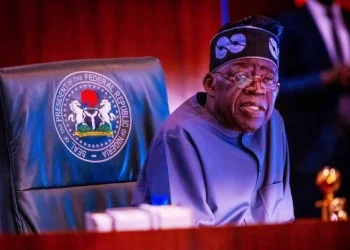
Nevertheless, Wike insisted that his differences with the governors would not change his decision to support Tinubu’s second-term ambition.
He maintained that his political intentions had never been hidden and challenged anyone accusing him of working against APC governors to point out what they had done for him during his own political battles.
The development has reportedly raised concerns among some APC governors over Wike’s National Rainbow Coalition.
According to sources familiar with the matter, the governors fear that the alliance could split votes and weaken the chances of Tinubu and other APC candidates in the 2027 elections.
The coalition has reportedly produced PDP candidates for National Assembly contests in some states, raising concerns that voters may support Tinubu for president while choosing opposition candidates for legislative positions.
Sources said President Tinubu had been informed about the potential effect of the arrangement, with governors reportedly discussing the issue during a meeting in Abuja.
Those opposed to the coalition reportedly argued that voting patterns could become difficult to control, especially among rural voters who often support candidates from the same party across different levels of an election.
The political arrangement is said to have interests in states including Gombe, Cross River, Zamfara and Kwara.
Wike also revealed that the political strategy adopted ahead of the 2023 election was aimed primarily at weakening Atiku’s chances.
He said his camp encouraged support for Peter Obi in the South-East because they considered Atiku the major threat to their political interests.
According to him, former Benue Governor Samuel Ortom was involved in the calculations, particularly because of his opposition to the APC’s Muslim-Muslim ticket.
Wike said the strategy helped reduce Atiku’s expected support and contributed to the outcome of the election.
On the 2027 contest, the FCT minister said he was fully aware that his strong backing for Tinubu could have serious political consequences if the President loses.
He predicted that he could become one of the first targets of an Atiku- or Obi-led administration.
Despite the risk, Wike said he had no intention of abandoning his position, stressing that he would continue to work for Tinubu’s re-election.