

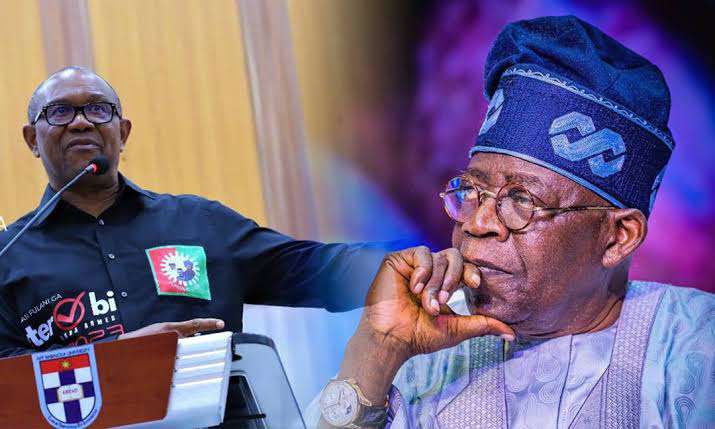
Presidential candidate of the Nigeria Democratic Congress (NDC), Peter Obi, has criticised President Bola Ahmed Tinubu over reported efforts to prevent the release of records concerning his past.
Obi said the development raises important questions about transparency, accountability and integrity in public leadership, particularly because the records reportedly concern matters that have generated public interest.
The former Anambra State governor expressed concern that a sitting Nigerian president would seek legal intervention in a foreign court over the release of records connected to his past.
According to Obi, political leaders should be willing to confront questions surrounding their history and provide Nigerians with clear explanations when legitimate concerns arise.
He argued that leadership requires honesty and the courage to acknowledge mistakes, explain controversial issues and, where necessary, apologise to the people.
Obi said leaders should not rely on legal processes to shield matters of legitimate public interest from scrutiny, stressing that public office comes with a responsibility to maintain a high standard of transparency.
The NDC presidential candidate’s comments come as political activities intensify ahead of the 2027 presidential election, with candidates increasingly placing their records and credibility before Nigerian voters.
Obi has repeatedly made accountability and good governance major components of his political message. His latest remarks are therefore part of his broader argument that Nigerians should carefully examine the background and records of individuals seeking to govern the country.
He maintained that political ambition should not take precedence over the reputation and integrity of Nigeria.
Obi stressed that the country is greater than any individual politician and that the interests of the nation must remain the priority.
The controversy surrounding Tinubu’s past records has resurfaced as the 2027 election approaches, with opposition politicians calling for greater transparency from presidential candidates.
However, the issues surrounding the records remain matters of political and legal dispute, and allegations concerning any individual’s past should be distinguished from facts established by competent authorities.
Obi’s intervention has nevertheless added fresh political pressure to the debate over transparency and accountability among Nigeria’s political leaders.
As preparations for the 2027 election continue, voters are expected to scrutinise not only the policies and campaign promises of presidential candidates but also their records, credentials and conduct in public life.
The development is likely to fuel further debate between supporters of the ruling All Progressives Congress (APC) and opposition parties over the standards expected from presidential candidates.
For Obi, the central issue remains the need to place Nigeria’s interests above personal political ambitions.
He reiterated that the integrity of the Nigerian Republic should come before the interests of any individual, regardless of political position.