Former Vice-President Atiku Abubakar has made the restoration of petrol subsidy a key part of his emerging 2027 presidential campaign, arguing that Nigerians have yet to experience the promised benefits of its removal.
Atiku, the presidential candidate of the African Democratic Congress (ADC), made the pledge during an interview on Wednesday, where he questioned how funds generated from the removal of the subsidy had been utilised.
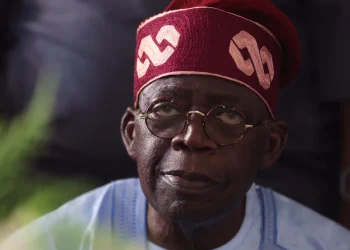
President Bola Tinubu announced the end of the petrol subsidy shortly after assuming office in May 2023, a decision that led to a sharp increase in fuel prices and contributed to rising transportation costs, food prices and the overall cost of living.
Although Atiku said he did not initially oppose the removal of the subsidy, he questioned whether the resources saved had been properly deployed to improve the lives of Nigerians.
“I did not oppose the removal of the oil subsidy, but where is the money? Where did it go?” Atiku asked during the Hausa-language interview.
He said the savings were expected to support poverty reduction, education and other critical sectors, but argued that Nigerians had not seen sufficient evidence of the benefits.
Atiku said that if elected president in 2027, he would restore the subsidy and ensure that anyone found to have misappropriated funds linked to the policy would be held accountable and made to refund the money.
His comments came as the Federal Government released fresh estimates of the financial gains from the subsidy removal.
The Minister of Finance and Coordinating Minister of the Economy, Taiwo Oyedele, said on Wednesday that the policy generated about N15.8 trillion in additional resources for the federation between June 2023 and December 2025.
Oyedele explained that the figure reflected increased revenue mobilisation, including gains associated with exchange-rate reforms and the naira value of dollar-denominated transactions.
However, Atiku and his camp have challenged the government’s account of the gains from the reforms. In a separate statement on Wednesday, his camp called on the Tinubu administration to provide a transparent reconciliation of approximately N30 trillion in federation revenues, deductions, savings and transfers.
The former vice-president maintained that the resources freed by the subsidy removal should have translated into more visible improvements in key sectors such as security, education, infrastructure and employment.
According to him, the policy could have been justified if the savings had been effectively invested in development and programmes that directly improved the welfare of Nigerians.
Atiku’s latest position marks a notable shift from his stance during the 2023 presidential campaign. In December 2022, while contesting as the presidential candidate of the Peoples Democratic Party, he pledged to remove the petrol subsidy within his first 100 days in office.
The subsidy debate is now expected to feature prominently in the build-up to the 2027 presidential election, as opposition figures increasingly challenge the economic reforms introduced by the Tinubu administration.
Omoyele Sowore, the presidential candidate of the African Action Congress, has also pledged to restore the petrol subsidy if elected. Sowore has argued that the government continues to provide indirect support for petrol prices and the naira despite officially ending the subsidy regime.
While the removal of the subsidy has increased allocations to the federal, state and local governments through the Federation Account, critics have continued to question whether the additional revenues have resulted in meaningful improvements in the lives of ordinary Nigerians.
As preparations for the 2027 election gather momentum, the debate over subsidy savings, government spending and the impact of the policy on Nigerians is likely to become a major point of contention between the Tinubu administration and opposition candidates.