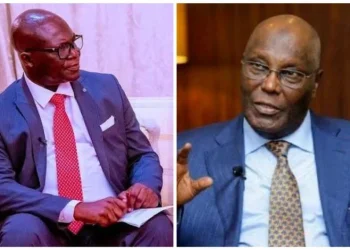


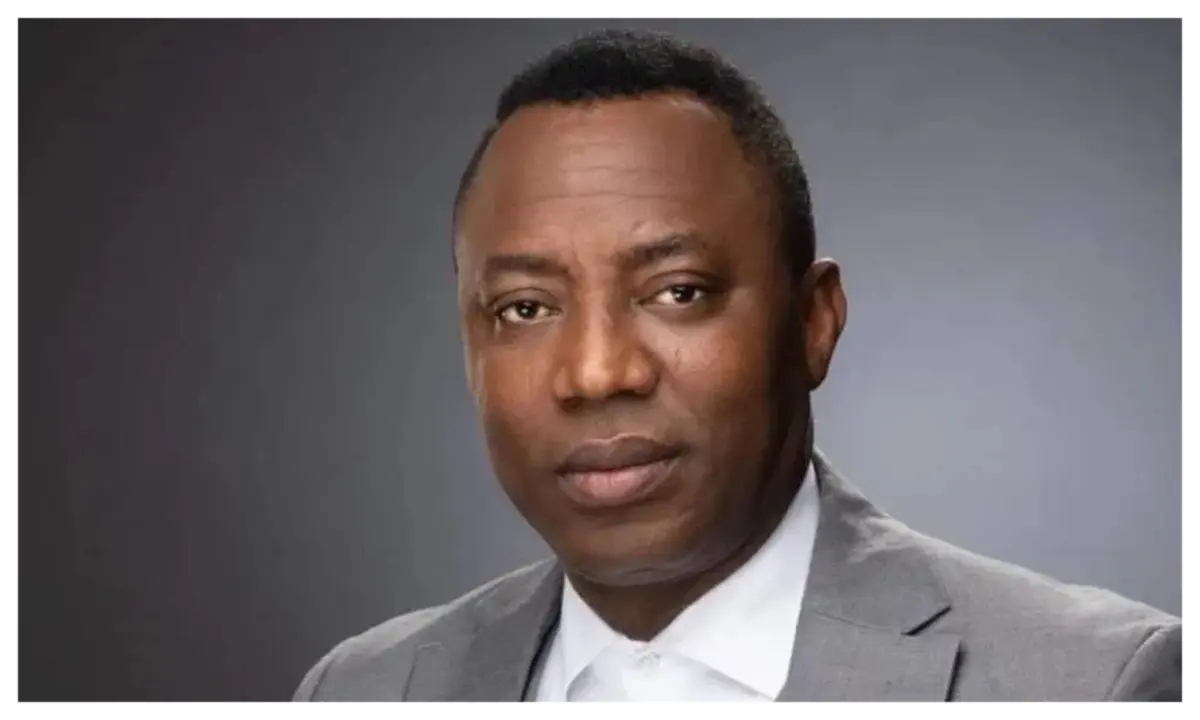
African Action Congress (AAC) presidential candidate, Omoyele Sowore, has criticised the Department of State Services (DSS) over what he described as an attempt to belittle him during the signing of the National Peace Accord ahead of the 2027 elections.
Sowore expressed his displeasure following the Abuja ceremony, where presidential candidates and political stakeholders gathered to commit themselves to peaceful conduct ahead of the elections.
The AAC candidate questioned the effectiveness of the Peace Accord, arguing that signing such agreements would have little impact if there were no clear consequences for violations.
He pointed to the recent Osun governorship election as an example, alleging that political violence occurred despite previous commitments to peaceful elections.
Sowore said he participated in the signing not because he had complete confidence in the process, but because he wanted to contribute to efforts aimed at improving Nigeria’s electoral system.
He also called for stronger enforcement mechanisms to ensure that political actors who violate peace commitments are held accountable.
The opposition candidate proposed what he described as a “Justice Accord”, arguing that there should be clearly defined consequences for anyone who breaches the terms of an electoral peace agreement.
The Peace Accord ceremony brought together several presidential candidates, political party leaders, electoral officials and representatives of security agencies.
President Bola Ahmed Tinubu was represented at the event by the Secretary to the Government of the Federation, George Akume, while Peter Obi, Donald Duke, Sowore and other presidential contenders participated in the process.
The National Peace Committee, chaired by former Head of State General Abdulsalami Abubakar, has continued to promote peaceful political competition through such agreements since the initiative began ahead of the 2015 elections.
Sowore’s criticism, however, reflects concerns among some opposition figures about whether peace agreements alone are sufficient to prevent electoral violence.
He maintained that political candidates should be judged not only by what they sign but also by their conduct before, during and after elections.
The development comes as political campaigns for the 2027 general elections officially get underway, with parties expected to intensify mobilisation and public engagement across the country.
The controversy surrounding the Peace Accord is likely to keep attention focused on the conduct of political actors and the role of security agencies as the election season progresses.