

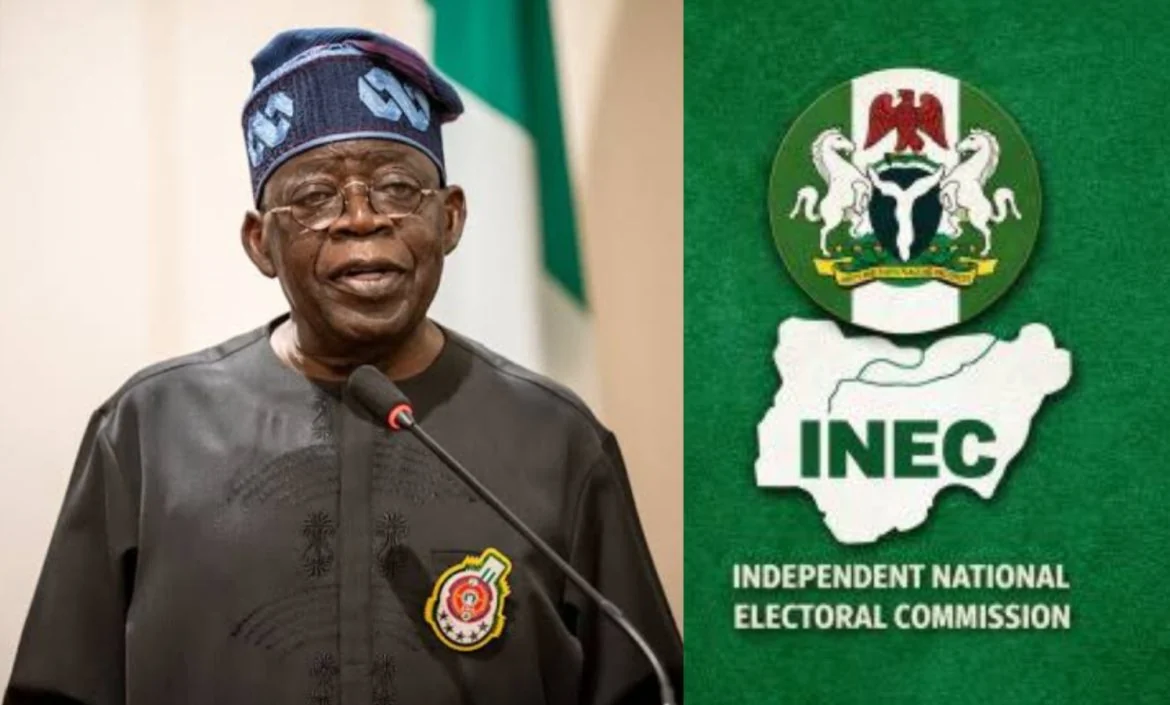
The Federal Government has denied reports suggesting that it intends to move the January 16 election to another date, dismissing the allegation as misinformation amid political disagreements ahead of the 2027 general elections.
Minister of Information and National Orientation, Mohammed Idris, said there was no proposal by the government to change the scheduled date of the poll.
His clarification followed claims by the African Democratic Congress Presidential Campaign Council (ADC-PCC), which alleged that efforts were being made to influence the Independent National Electoral Commission (INEC) into revising its electoral schedule.
Idris rejected the suggestion, insisting that the government had no knowledge of any arrangement to reschedule the election.
According to the minister, the possibility of changing the date was not under consideration by the Federal Government, describing the allegation as unfounded.
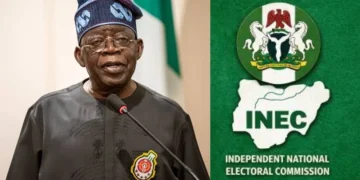
The controversy emerged after the ADC Presidential Campaign Council raised concerns over an alleged plan to invite INEC Chairman, Professor Joash Amupitan, to the Presidential Villa for discussions concerning the election timetable.
The opposition campaign body claimed it had received information indicating that the proposed meeting might occur approximately 80 days before the election.
Expressing concern over the allegation, the council warned that any attempt to interfere with the electoral schedule could weaken Nigerians’ confidence in the democratic system and raise questions about the independence of the electoral commission.
In a statement signed by its Director of Strategic Communication, Phrank Shaibu, the council urged President Bola Tinubu to publicly reject any proposal aimed at postponing the election.
It equally appealed to Amupitan to resist any pressure to revise the timetable and disclose any attempt by political authorities to influence the commission’s decisions.
The council maintained that the election date should not be altered through private negotiations or arrangements outside established democratic procedures.
It argued that the forthcoming poll would provide Nigerians with an opportunity to evaluate the current administration and determine whether it should remain in office.
The ADC campaign team also cited economic challenges confronting households, including escalating commodity prices, reduced purchasing power and increasing pressure on personal and family finances.
According to the council, voters must be allowed to express their opinions through a transparent electoral process without unnecessary interference.
The statement further addressed concerns about Ebola, acknowledging that public health threats require serious attention from the relevant authorities.
However, the council cautioned against using a disease outbreak as justification for postponing the election without sufficient scientific evidence.
It urged health agencies to strengthen disease surveillance and containment measures while calling on INEC to establish appropriate safeguards for voters, electoral officials and other participants.
The campaign council also referenced a position it attributed to the Director-General of the Nigeria Centre for Disease Control (NCDC), claiming that the available information did not indicate a need to delay the exercise.
It insisted that any decision to revise the electoral timetable on health grounds must be supported by credible medical assessments and explained transparently to the public.
Additionally, the opposition group called on domestic election observers and international monitoring organisations to closely monitor developments surrounding the scheduled poll.
It maintained that any proposed alteration should follow established procedures, remain open to public scrutiny and protect the integrity of Nigeria’s electoral process.
Meanwhile, the Presidency’s denial has sought to address the controversy, while the ADC’s allegations remain unsubstantiated by the information provided.