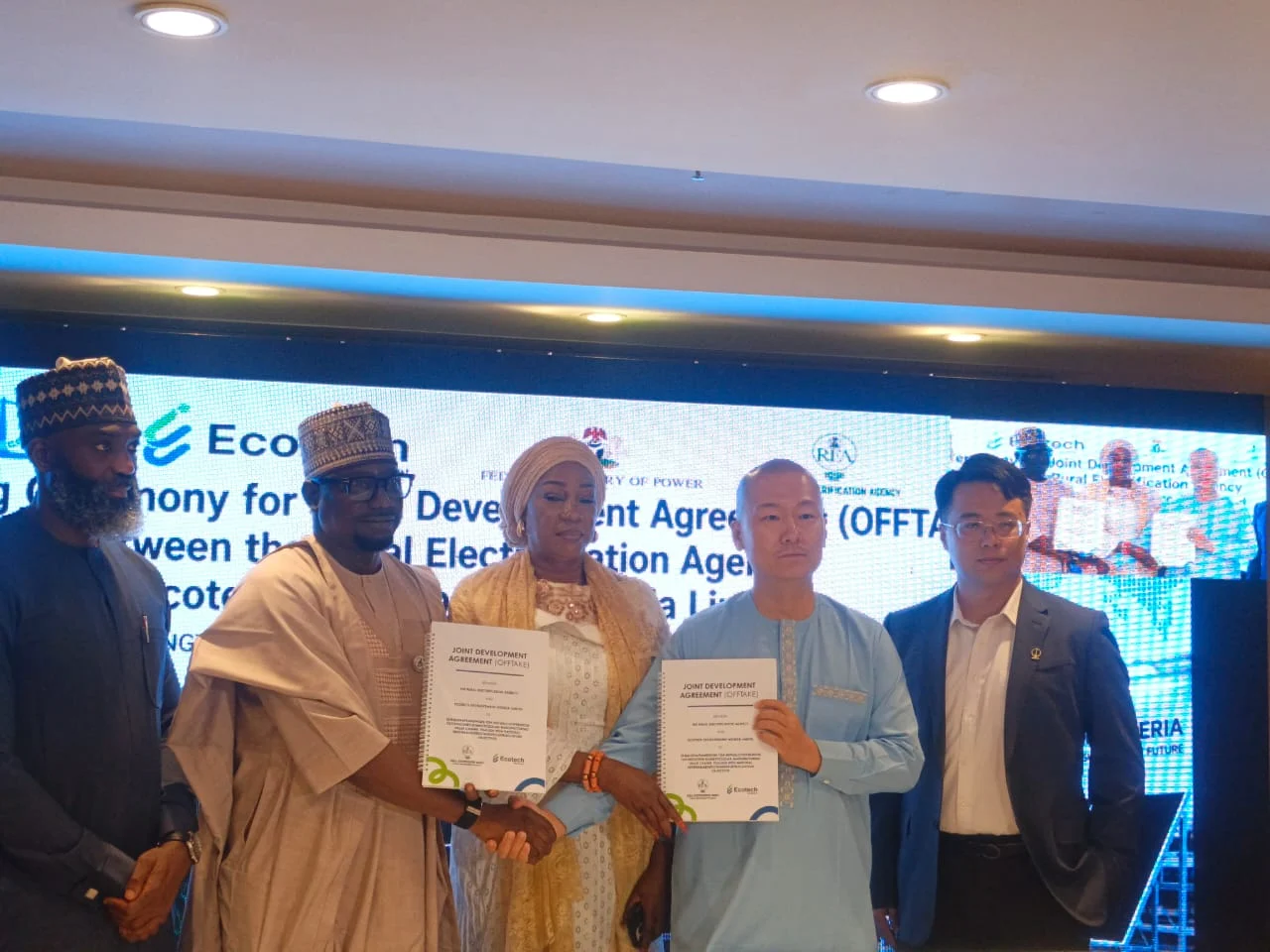
The Managing Director of the Rural Electrification Agency (REA), Abba Aliyu, has revealed that more than 85 million Nigerians still do not have access to reliable electricity, describing the country’s power deficit as one of the biggest obstacles to economic growth and national development.
Aliyu made the disclosure while highlighting the Federal Government’s ongoing efforts to expand electricity access through renewable energy projects. He said the administration is implementing a $750 million electrification programme designed to attract an additional $1.1 billion in private sector investment for the deployment of about 1,350 solar mini-grids across the country.
According to the REA boss, the initiative is the largest publicly funded renewable energy programme of its kind and is aimed at providing electricity to underserved communities, educational institutions, healthcare facilities and small businesses. He noted that the project would help reduce dependence on petrol and diesel generators while promoting cleaner and more sustainable energy solutions.
Aliyu explained that the agency has already completed several projects under the Energising Education Programme, including large-scale solar power installations in tertiary institutions. He said the projects have improved electricity supply for classrooms, laboratories, teaching hospitals and water facilities, creating a better learning environment for students and staff.
He added that expanding electricity access remains a top priority because millions of Nigerians still live and work without dependable power. According to him, improving electricity supply will stimulate economic activities, create jobs and enhance the quality of life in both rural and urban communities.
Nigeria continues to face one of the world’s largest electricity access gaps despite having abundant energy resources. Although the country has an installed power generation capacity exceeding 13,000 megawatts, actual electricity generation is often significantly lower, resulting in frequent outages and forcing many households and businesses to rely on alternative power sources.
Energy experts have consistently stressed that improving electricity infrastructure is essential for industrial growth, healthcare delivery, education and investment. They believe increased funding, stronger transmission networks and expanded off-grid renewable energy projects will play a vital role in closing the country’s electricity gap.
Stakeholders also argue that reliable electricity is critical to reducing production costs, supporting small businesses and improving Nigeria’s competitiveness. They have urged sustained collaboration between government agencies, development partners and private investors to accelerate electrification across the country.
The REA said its ongoing programmes are expected to increase electricity access, support economic development and improve living conditions for millions of Nigerians, particularly in communities that have remained without reliable power for many years.