

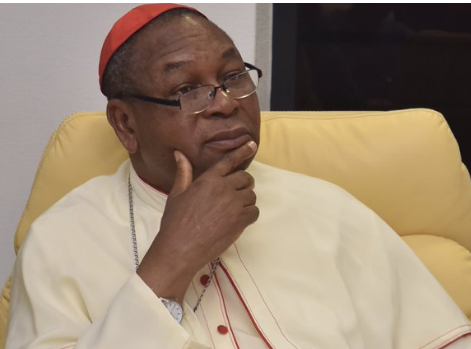
The Presidency has responded to remarks by retired Catholic Archbishop of Abuja, Cardinal John Onaiyekan, regarding the forthcoming 2027 elections, with the Special Adviser to President Bola Tinubu on Policy Communication, Daniel Bwala, describing the cleric’s comments as political rather than religious.
Bwala shared his reaction through a post on his verified X platform on Saturday, shortly after Cardinal Onaiyekan raised concerns about the state of Nigeria’s democracy and the credibility of future elections.
The former Archbishop had expressed worries that the Tinubu administration was determined to retain power in 2027 at all costs, warning that without major improvements to the electoral system, Nigerians might lose confidence in the voting process and their choices at the polls may not be respected.
In response, Bwala argued that the Cardinal’s remarks did not represent the opinion of the wider Christian community but reflected the position of the Catholic Church. He alleged that the church had previously shown sympathy toward Peter Obi, the presidential candidate of the Nigeria Democratic Congress (NDC).
The presidential spokesman stated that the Cardinal’s intervention was driven by political interests rather than spiritual responsibility, accusing him of moving beyond the traditional role expected of religious leaders.
Bwala noted that the Catholic community is not united behind any single political figure, stressing that many members of the church have different views and preferences regarding political leadership.
He also defended President Tinubu’s recent disagreement with the Catholic Bishops’ Conference of Nigeria over their concerns about the country’s economic condition. According to Bwala, the President’s response was justified because it was based on official records, economic data and factual analysis.
He maintained that Tinubu’s assessment of the economy was guided by statistics and evidence rather than political arguments, adding that the administration remains committed to presenting the realities of its policies to Nigerians.
The presidential aide further criticised what he described as conflicting positions from some religious figures, arguing that religious teachings often encourage believers to remain hopeful and speak positively even during periods of hardship.
He explained that religious leaders frequently advise their followers to maintain faith and optimism during personal struggles, but similar expressions about national difficulties sometimes attract criticism when made in public affairs.
Bwala also stressed that the Christian Association of Nigeria (CAN), which includes various denominations such as the Catholic Church, has traditionally maintained an independent and non-partisan stance on political matters.
He warned that religious institutions risk losing their credibility if they openly align themselves with political interests or appear to support particular candidates or parties.
The presidential adviser concluded that faith-based organisations should continue to focus on spiritual guidance and moral responsibilities, while citizens should be allowed to make personal decisions regarding political choices and electoral participation.